Benefits of Consulting Shredding Companies
Managing confidential information involves more than protecting files on computers or restricting access to office systems. Businesses also handle printed records, outdated paperwork, customer documents, employee files, and materials containing sensitive information that eventually need to be discarded. Simply placing these documents in ordinary recycling bins or trash containers can expose information to people who should never have access to it. Professional document destruction provides a practical way to address these concerns while keeping everyday operations organized. Whether a business handles a few boxes of paperwork or substantial volumes of records, understanding the benefits of secure disposal can help protect information and support responsible business practices.
Ensuring Compliance With Information Protection Requirements
Businesses frequently manage documents containing financial details, personal information, medical records, employee information, and confidential customer data. Disposing of these materials improperly can create compliance concerns, especially when regulations require organizations to protect information throughout its lifecycle. Consulting shredding companies can help businesses establish appropriate destruction procedures, understand documentation requirements, and maintain more consistent disposal practices. According to the IDC, approximately 80% of business documents are created and stored digitally, highlighting the importance of managing information across both physical and electronic formats. However, printed records remain part of everyday business operations, and organizations must consider how those materials are handled after they are no longer needed. Maintaining documented destruction procedures and obtaining certificates of destruction can also help businesses demonstrate that appropriate steps were taken when disposing of confidential records. Although professional services do not automatically guarantee regulatory compliance, they can support an organization's broader information protection strategy.
Enhancing Security and Protecting Confidential Information
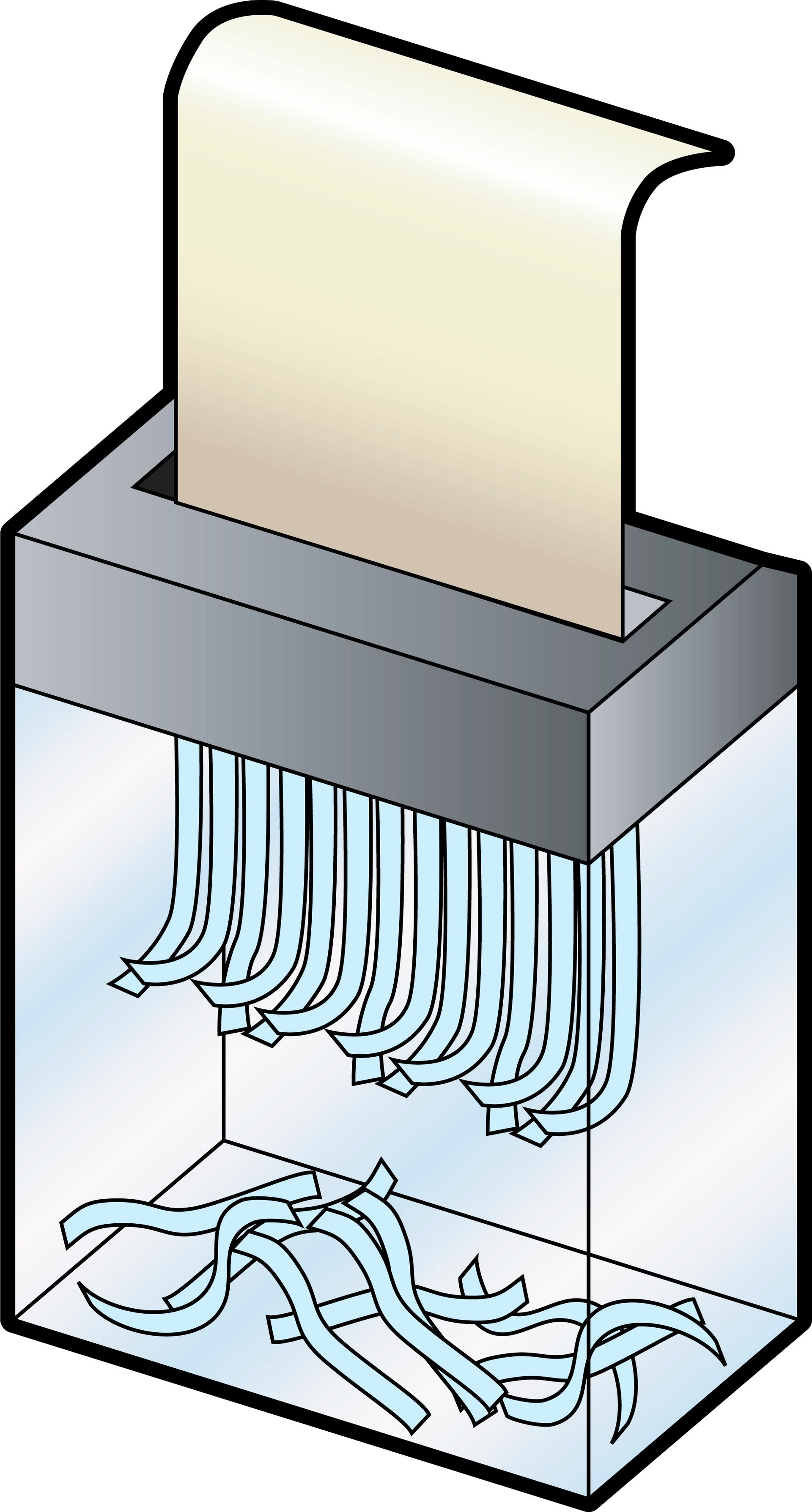
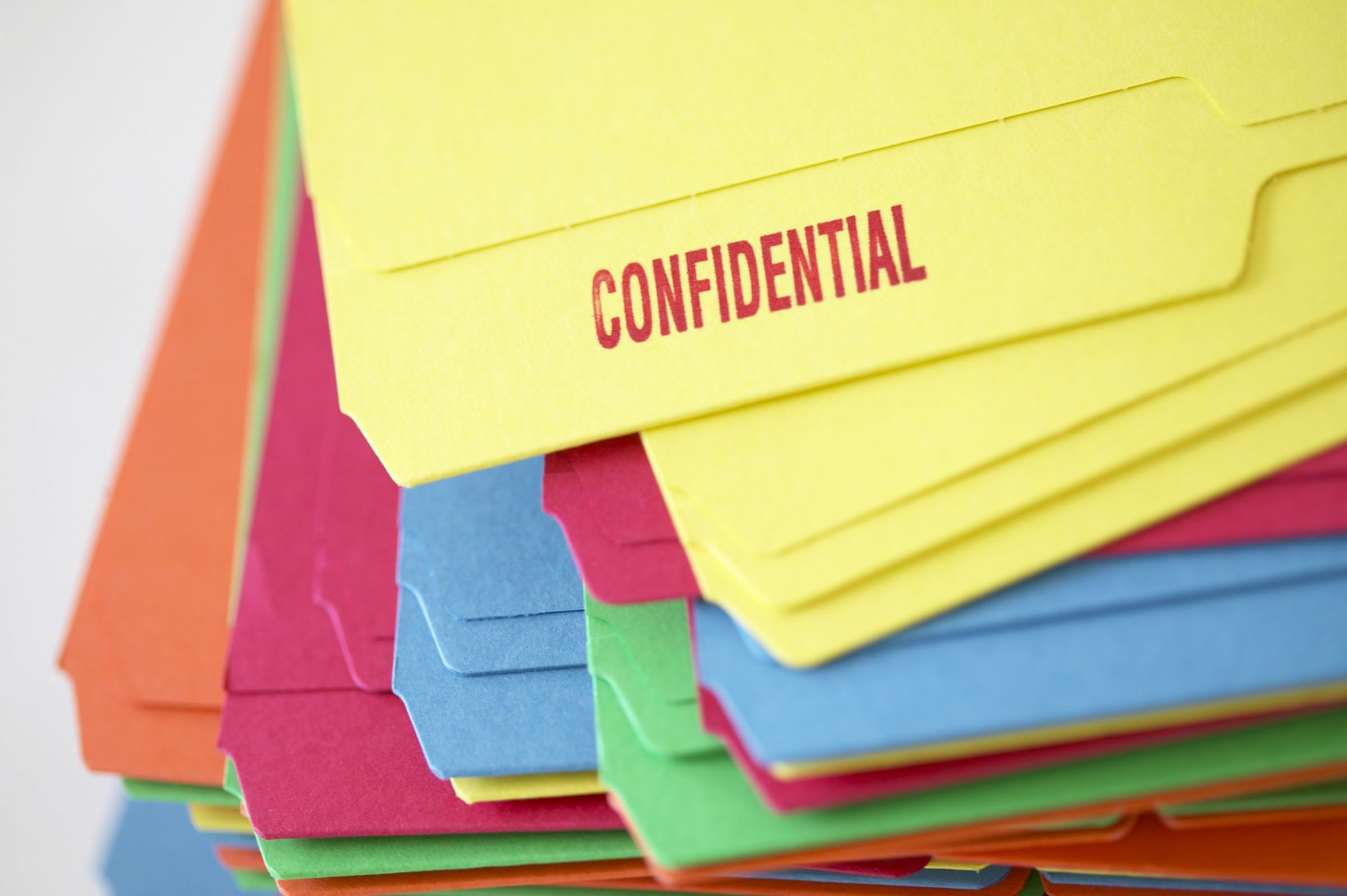
Confidential documents can create security risks when they remain accessible in unsecured storage areas, recycling containers, or ordinary waste bins. Employees may unintentionally expose information by discarding paperwork without considering what it contains or who might retrieve it. Professional document destruction helps reduce these risks by providing controlled collection, handling, and disposal procedures. Many shredding companies use secure containers, restricted access processes, and documented transportation procedures to protect materials before destruction. These safeguards are particularly valuable for businesses handling customer records, payroll information, contracts, financial statements, or proprietary business documents. Secure disposal also demonstrates consideration for employees, customers, and business partners whose information deserves appropriate protection. Establishing clear disposal practices can strengthen an organization's overall security culture and encourage employees to take confidentiality seriously.
Improving Workplace Efficiency and Organization
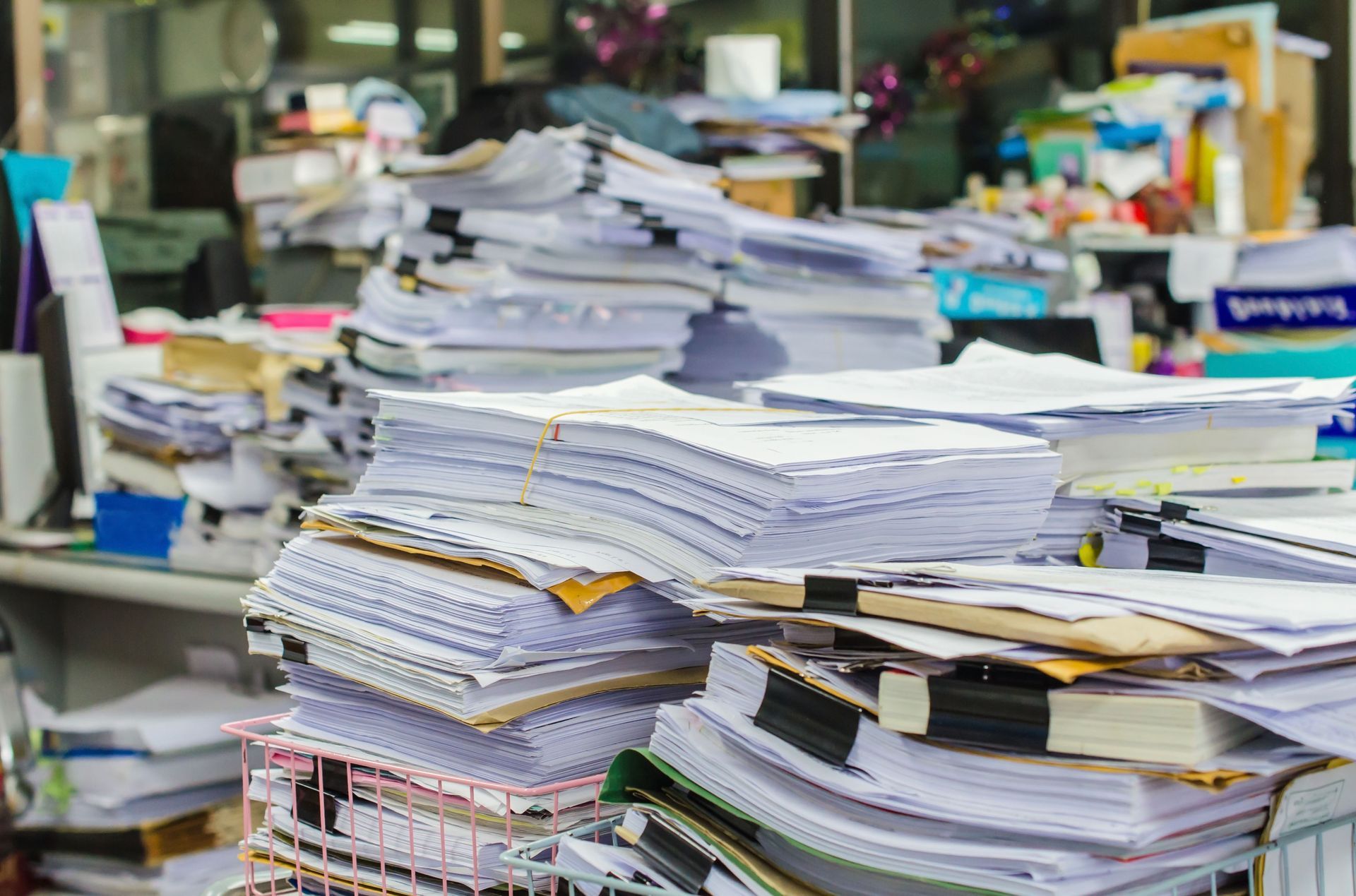
Paperwork can accumulate quickly, particularly in offices where employees regularly process invoices, applications, contracts, correspondence, and administrative records. When outdated documents remain in filing cabinets or storage rooms indefinitely, they consume valuable space and make it harder to maintain an organized workplace. Professional destruction services help businesses establish consistent disposal routines instead of allowing unnecessary paperwork to pile up. Employees can spend less time managing accumulated documents and more time completing responsibilities directly related to their roles. Scheduled collection services also make disposal easier to incorporate into regular administrative processes. Businesses can arrange collection according to their document volume, operational schedule, and available storage space. With fewer unnecessary records occupying work areas, offices can maintain cleaner environments and improve the accessibility of documents that still need to be retained. A more organized workplace can also make routine administrative tasks easier to manage.
Supporting Sustainability Through Responsible Recycling
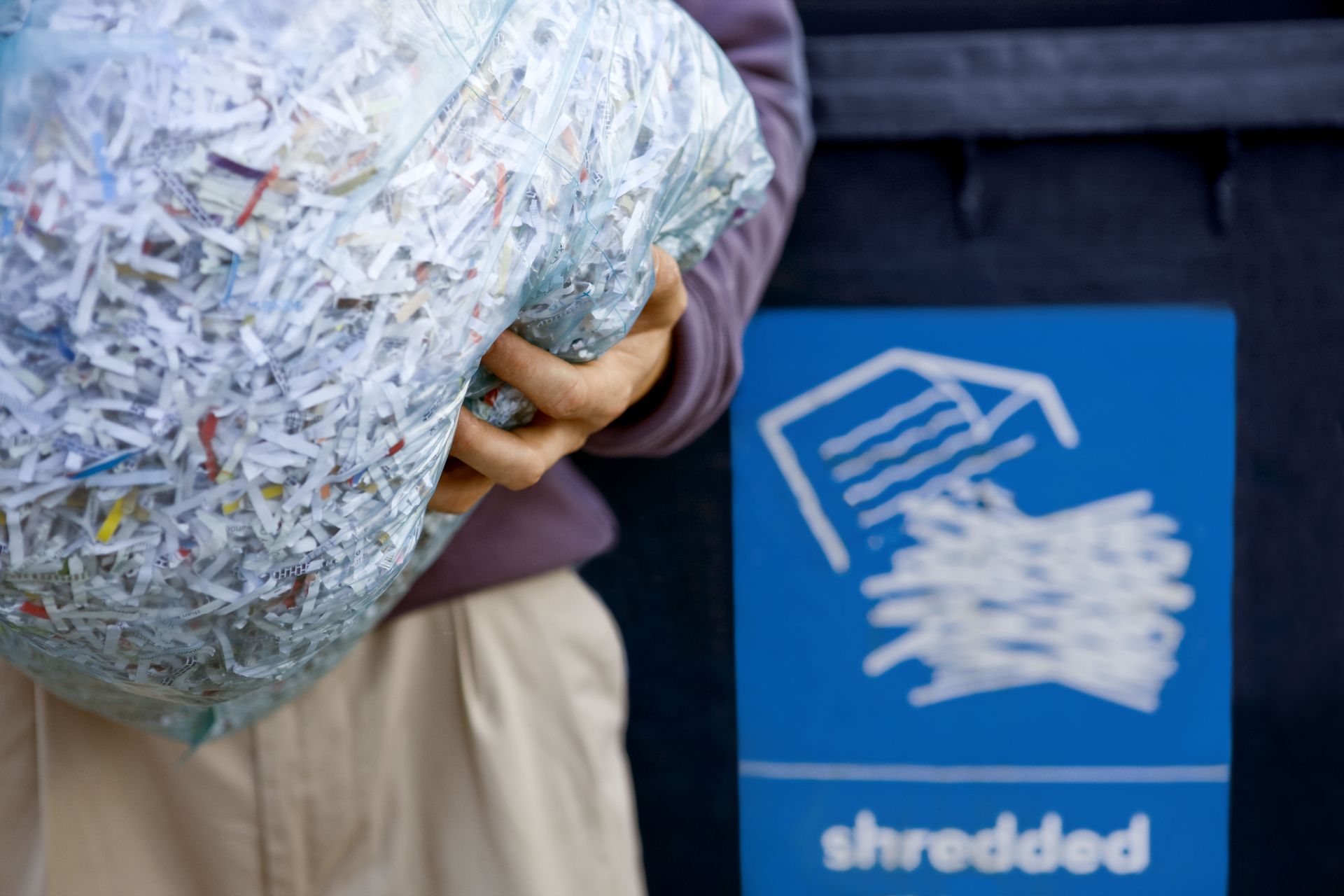
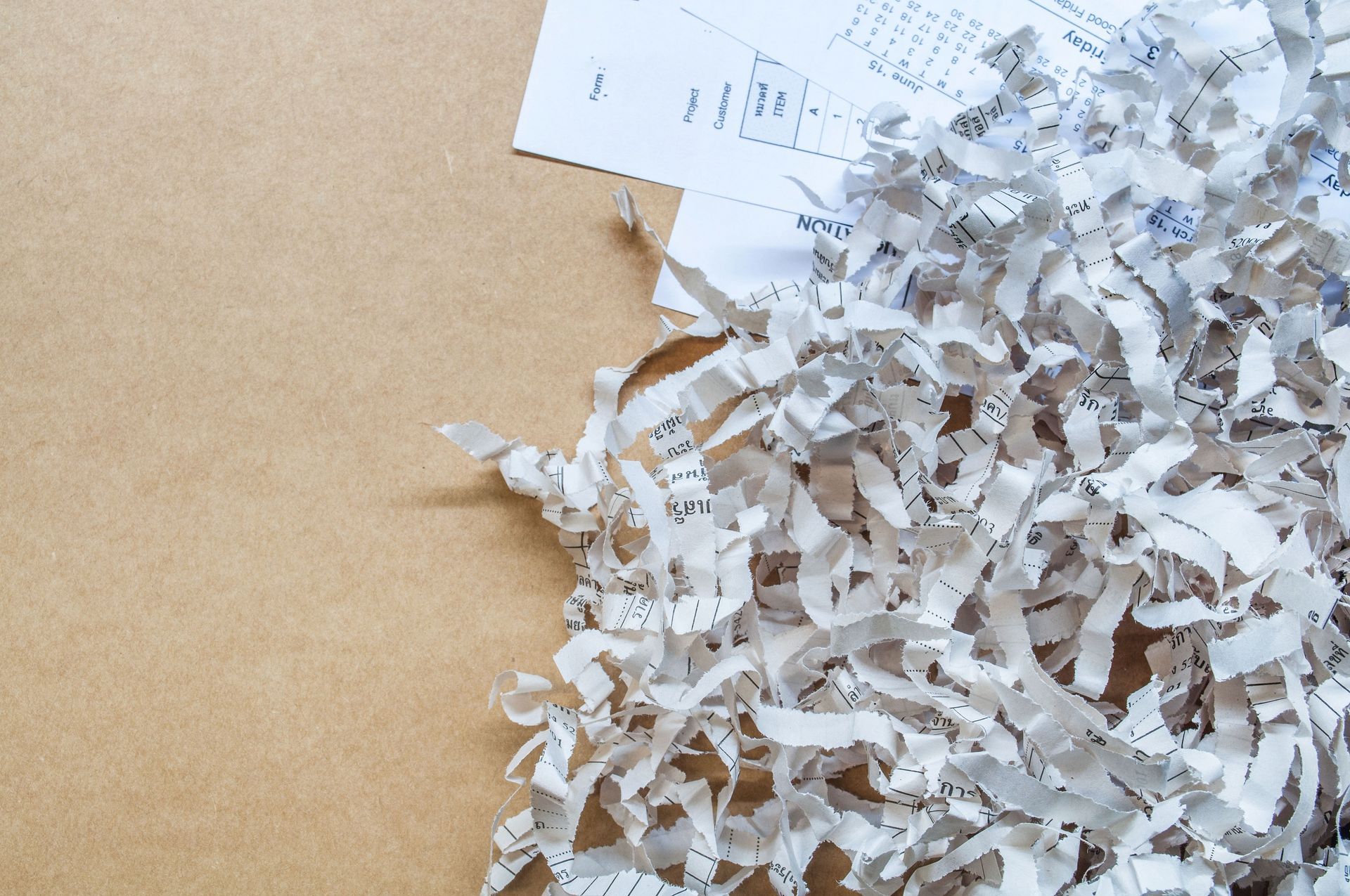
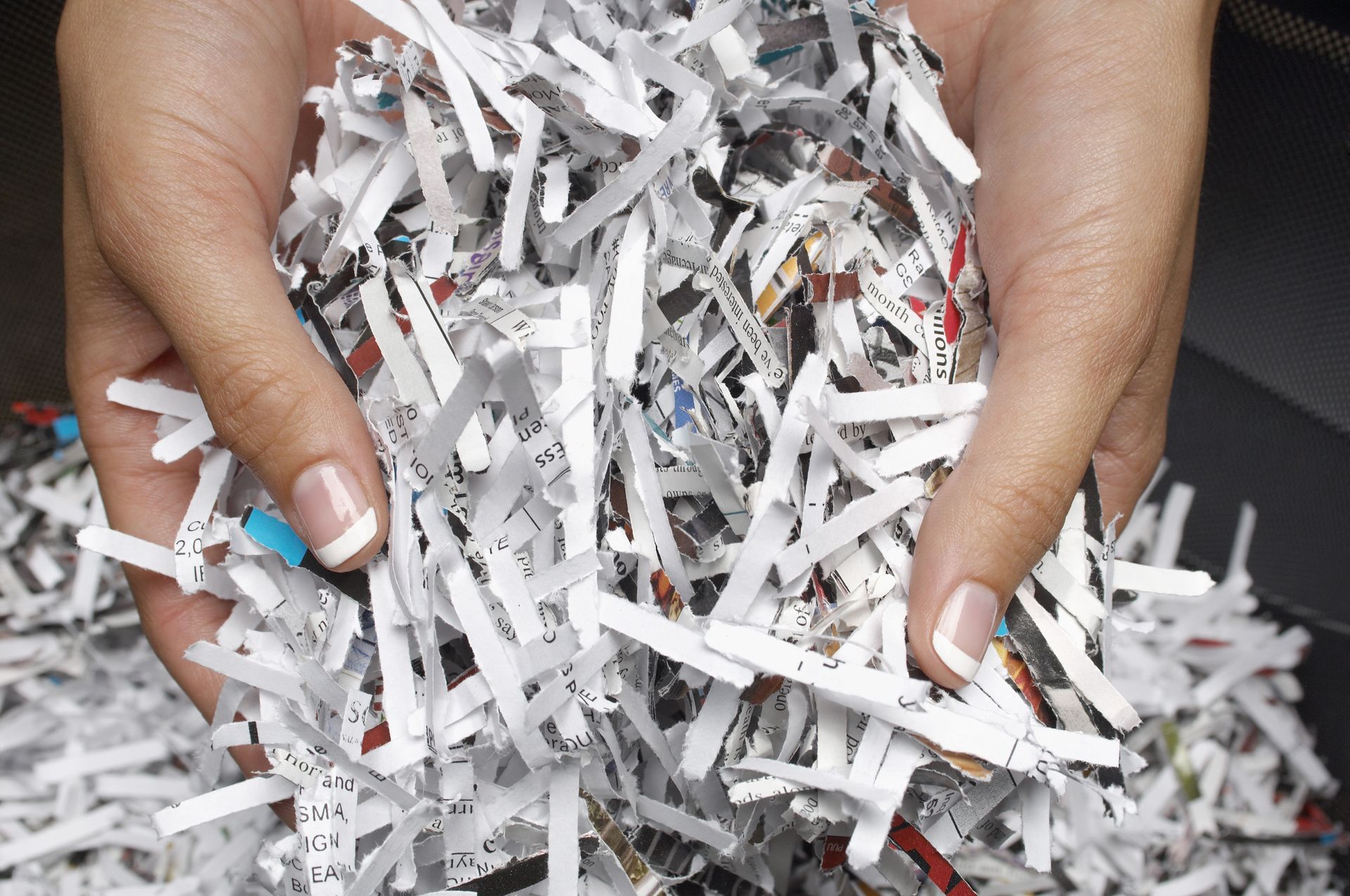
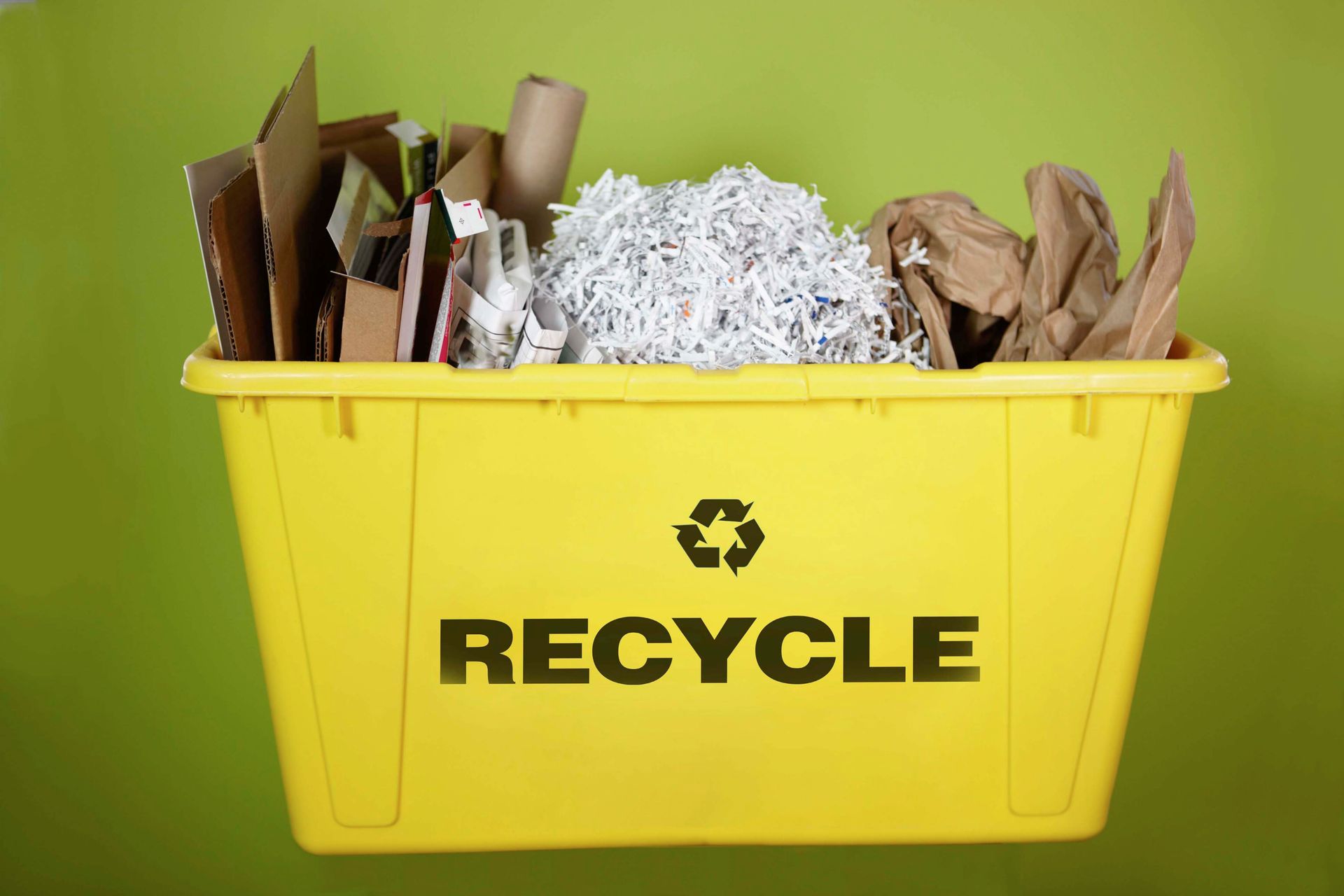
Responsible document disposal does not have to mean sending every discarded page directly to a landfill. Paper recycling provides an opportunity to recover materials and support more sustainable resource management practices. Many professional destruction providers incorporate recycling into their disposal processes, allowing shredded paper to be directed toward appropriate recycling facilities. Businesses that work with shredding companies offering recycling programs can combine information security with environmental responsibility. This approach helps organizations consider the environmental impact of their administrative activities while maintaining appropriate confidentiality protections. Recycling shredded paper can also support broader workplace sustainability initiatives, particularly when organizations regularly dispose of substantial document volumes. However, recycling arrangements may vary depending on material types, contamination, and provider capabilities. Businesses should ask how shredded materials are processed and whether recycling is included in their service arrangements. Understanding these practices helps organizations make informed decisions about responsible document disposal.
Reducing Costs and Managing Resources More Effectively
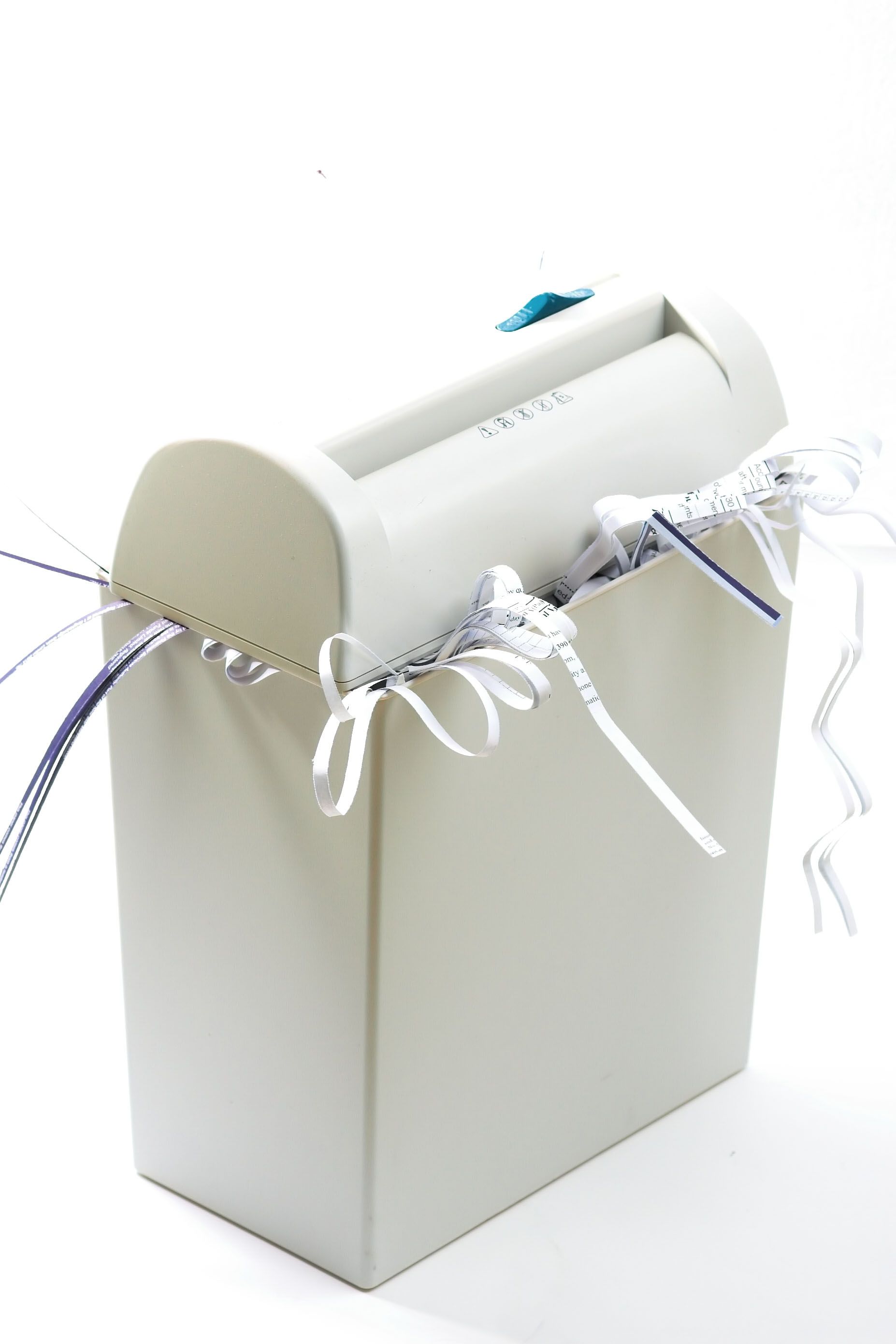
Handling document destruction internally can involve expenses that are easy to overlook. Businesses may need to purchase shredding equipment, maintain machinery, replace worn components, and dedicate employee time to processing accumulated paperwork. Equipment limitations can also become an issue when organizations need to destroy large quantities of documents or materials requiring specialized handling. Outsourcing disposal can reduce the need for these investments while providing access to professional equipment and established processes. Many providers offer flexible service arrangements that accommodate different document volumes and operational requirements. Businesses can evaluate recurring collection schedules, occasional bulk destruction, and other options according to their actual needs. Comparing service costs with internal labor, equipment maintenance, and storage expenses can help organizations determine whether outsourcing offers meaningful financial advantages. Professional disposal can also reduce the likelihood of expensive information security incidents resulting from improperly discarded documents. Although pricing varies, selecting an appropriate service plan can help organizations manage resources more efficiently.
Simplifying Document Disposal With Flexible Services
Different organizations generate different types and quantities of confidential paperwork, so document destruction requirements rarely follow a single pattern. A small professional office may need occasional disposal of outdated client records, while a larger organization may produce enough paperwork to require regular collection. Professional providers offer service arrangements designed to accommodate these differences. Options may include scheduled pickups, one-time bulk destruction, secure collection containers, and mobile shredding performed at a customer's location. Businesses can choose between on-site and off-site destruction depending on their security preferences, operational needs, and available resources. Consulting shredding companies can also help organizations evaluate whether their existing disposal procedures are appropriate for their document volume and workplace routines. Some providers handle additional materials, including certain electronic storage devices, depending on their capabilities and service offerings. Before arranging collection, businesses should confirm accepted materials, preparation requirements, and any restrictions affecting disposal. Clear expectations make the process easier to coordinate and help prevent unnecessary delays.
Strengthening Accountability and Recordkeeping Practices
Effective document management requires more than deciding which records should be retained and which should be discarded. Businesses also benefit from having clear procedures that explain who authorizes destruction, how materials are collected, and what documentation is maintained afterward. Professional destruction services can support these processes through collection records, certificates of destruction, and established handling procedures. These documents provide useful information about completed disposal activities and may assist organizations when reviewing internal policies or preparing for audits. Employees can also benefit from clearly communicated disposal guidelines that explain how confidential paperwork should be handled. Secure collection containers placed in appropriate locations make it easier for staff members to follow established procedures without creating unnecessary administrative burdens. Regular reviews of document retention schedules can further improve accountability by identifying records that are eligible for destruction. When organizations combine internal policies with appropriate professional support, they can create more consistent practices for managing sensitive information throughout its lifecycle.
Businesses handling confidential paperwork should consider how disposal practices support security, compliance, and daily operations. Professional shredding companies help reduce information exposure, improve organization, support recycling, and simplify document management. Choosing the right service depends on document volume, security needs, scheduling, and material types. Establishing consistent disposal procedures also gives employees clearer expectations and helps protect sensitive information. For secure document destruction and dependable collection options, ALL-SHRED, Inc. can help your organization work with shredding companies to manage confidential paperwork responsibly.


Share On: