
7 Powerful Benefits of Shredding Documents Securely
In today’s business environment, protecting sensitive information is no longer optional; it is a core operational requirement. From financial records to customer data, organizations face constant pressure to manage information responsibly and reduce exposure to risk. One of the most effective methods for controlling physical data is shredding documents securely, which helps ensure information does not fall into the wrong hands.
As both small businesses and large enterprises continue to handle increasing volumes of paper records, secure disposal practices have become more important than ever. When handled correctly, secure document disposal supports privacy protection, regulatory alignment, and operational efficiency. It also helps reduce the long-term risks associated with improper data disposal in both physical and hybrid office environments.
1. Understanding Data Sensitivity Mitigating Risks
Data sensitivity plays a central role in determining how information should be handled, stored, and eventually destroyed. Not all documents carry the same level of risk, but even basic records can become sensitive when combined with other data points. This is why organizations must take a structured approach to identifying what requires secure destruction.
Using shredding documents as part of a structured data protection strategy reduces exposure to accidental leaks. Sensitive materials such as client records, payroll information, and internal reports require consistent handling standards to prevent misuse. Without this control, organizations increase the likelihood of unauthorized access through discarded materials.
In practice, businesses that treat document disposal as part of their broader risk management strategy are better positioned to maintain trust and operational stability. Secure document disposal consistently ensures that outdated or unnecessary records do not accumulate in storage areas or waste bins. This proactive approach reduces vulnerabilities before they can be exploited.
2. Reducing Security Risks Through Proper Disposing
Improper disposal of physical records remains one of the most overlooked security risks in modern organizations. Even in digital-first environments, paper documents continue to circulate and store critical information. When these materials are not properly destroyed, they create avoidable exposure points for data breaches.
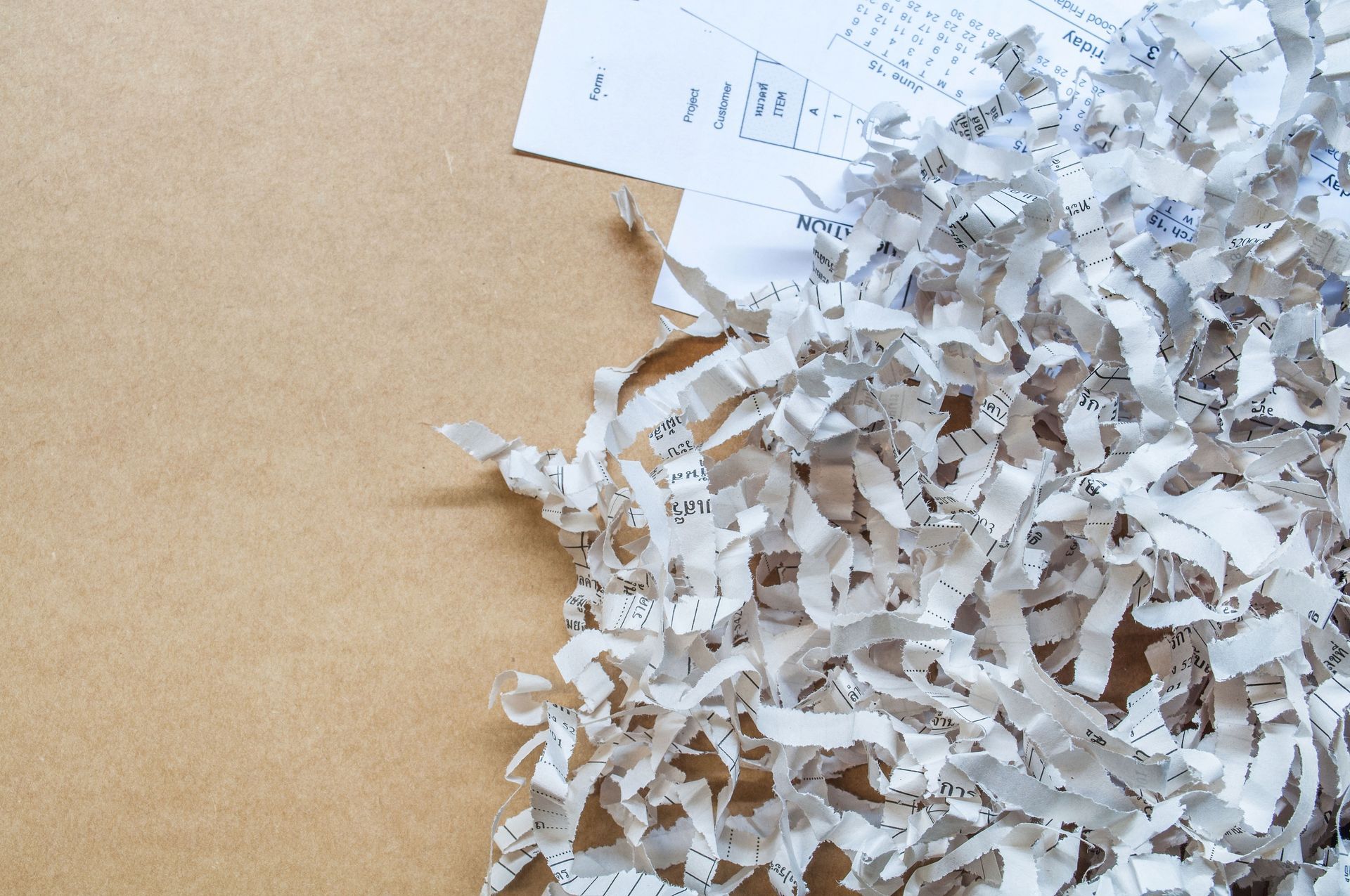
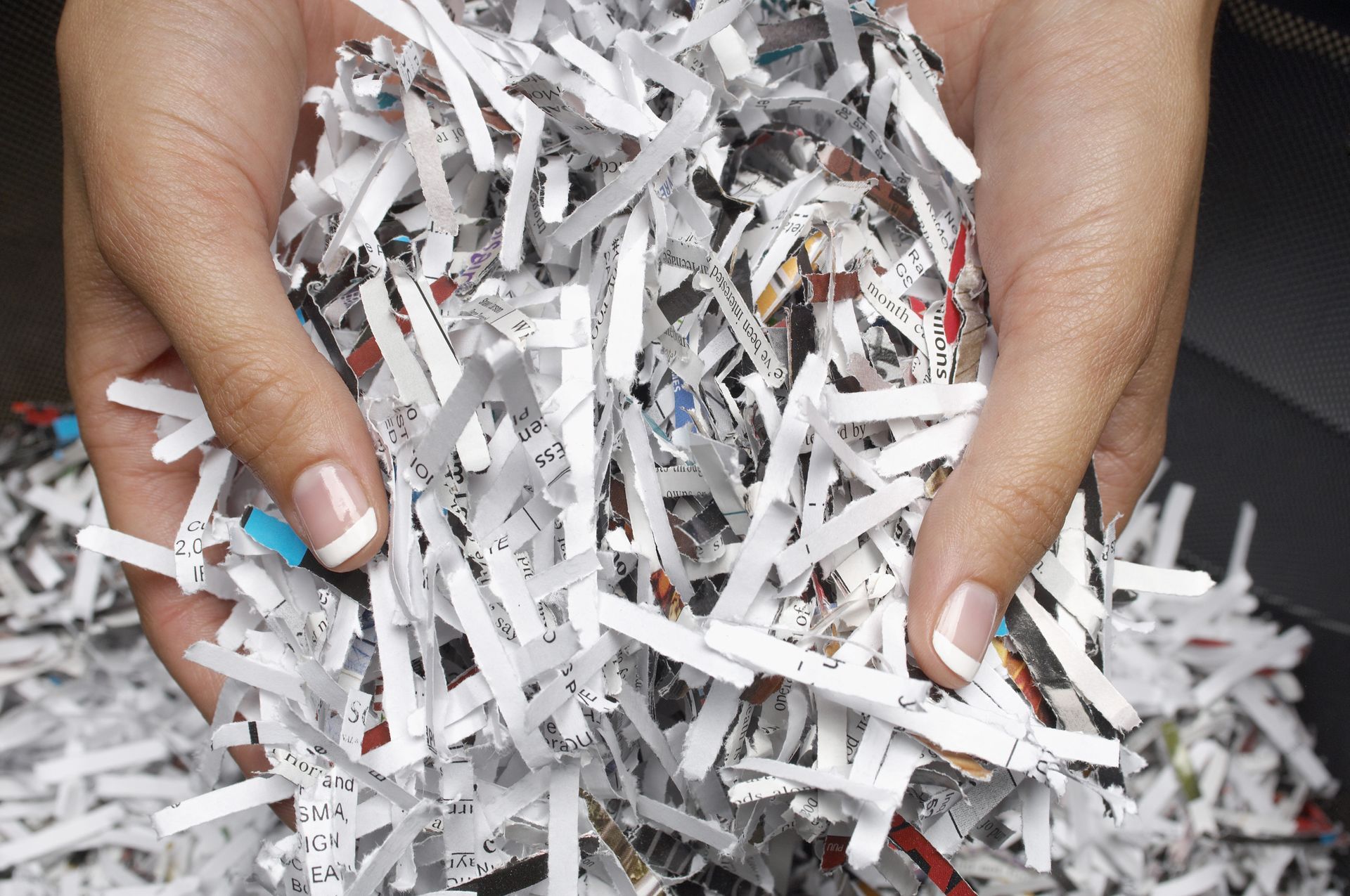
Shredding documents helps eliminate the possibility of reconstruction or unauthorized recovery of sensitive materials. Unlike simple disposal methods, shredding transforms records into unreadable fragments that cannot be practically restored. This significantly reduces risks associated with identity theft, corporate espionage, and information leakage.
Security incidents linked to discarded paperwork often stem from inconsistent internal practices. Organizations that implement routine secure document disposal procedures create a controlled lifecycle for physical data. This ensures that information is securely eliminated once it is no longer required for business operations.
3. Strengthening Compliance With Legal Standards
Compliance requirements across industries continue to evolve as data privacy regulations become more stringent. Organizations are expected to demonstrate not only how data is used but also how it is securely disposed of. This includes maintaining clear processes for destroying physical records that contain sensitive information.
Shredding documents plays a critical role in meeting these expectations, particularly in regulated industries. According to HDIN Research, enterprise-level and highly regulated sectors account for approximately 90–95% of document destruction demand, while government agencies contribute an additional 5–10%. This distribution is largely driven by strict privacy laws such as HIPAA and other data protection regulations that require secure disposal methods.
These requirements highlight the importance of maintaining consistent secure document disposal practices across all departments. When organizations fail to comply, they risk financial penalties, operational disruptions, and reputational damage. Secure shredding ensures that disposal methods align with both legal and industry-specific standards.
4. Supporting Compliance Auditing and Documentation
Compliance audits require organizations to demonstrate how information is managed throughout its entire lifecycle. This includes storage, usage, and final disposal. Without clear documentation, businesses may struggle to prove that sensitive data has been properly handled.
Shredding documents supports audit readiness by creating a verifiable record of secure destruction. Many professional shredding processes include certificates of destruction, which serve as formal proof that materials have been securely eliminated. These records are essential during regulatory reviews and internal audits.
Organizations that incorporate secure document disposal into their compliance workflows reduce uncertainty during audits. Instead of relying on informal disposal methods, they can present structured documentation that confirms adherence to established policies. This strengthens accountability and reinforces data governance practices across the organization.
5. Preventing Data Breaches Through Secure Destroying
Data breaches are not limited to digital systems; physical documents often serve as overlooked entry points for information theft. When sensitive papers are discarded without proper destruction, they can be retrieved and exploited. This makes physical security just as important as cybersecurity.
Shredding documents provides a direct solution by ensuring that sensitive information is permanently destroyed. Once materials are shredded, reconstruction becomes impractical, significantly lowering the risk of unauthorized recovery. This adds an essential layer of protection to overall security strategies.
Organizations that prioritize secure document disposal as a routine process are better equipped to prevent avoidable breaches. This is especially important in environments where multiple employees handle confidential paperwork daily. Consistent destruction protocols help eliminate weak points in information handling systems.
6. Improving Operational Efficiency and Workflow
Beyond security and compliance, secure document disposal also contributes to improved workplace efficiency. Physical records that are no longer needed can quickly accumulate, taking up valuable space and creating organizational clutter. This can slow down workflows and reduce productivity over time.
By integrating secure document disposal into routine administrative processes, businesses can maintain cleaner and more organized work environments. Staff spend less time managing outdated files and more time focusing on higher-value tasks. This improves overall operational flow and reduces unnecessary administrative burden.
Efficient document disposal also supports better record management systems. When secure document disposal is part of a structured workflow, it becomes easier to distinguish between active records and outdated materials. This clarity helps organizations operate more effectively and maintain better control over information assets.
7. Enhancing Trust and Information Integrity With Secure Handling
Trust is a foundational element in any business relationship, and it is directly influenced by how organizations manage sensitive information. Clients and partners expect that their data will be handled with care throughout its lifecycle. Secure disposal practices play a key role in maintaining that trust.
Shredding documents ensures that confidential information is not left vulnerable after its intended use. This reinforces a culture of accountability and demonstrates a commitment to protecting stakeholder interests. Over time, this contributes to stronger business relationships and improved reputation.
When organizations consistently apply secure document disposal practices, they strengthen their overall information integrity. This reduces uncertainty around data handling and reinforces confidence in internal processes. As a result, businesses can operate with greater credibility and reliability.
Secure information management requires a complete approach that includes careful handling, structured storage, and reliable disposal methods. Secure document disposal remains one of the most effective ways to reduce risk, support compliance, and improve operational performance across industries. It also contributes to environmental responsibility and strengthens long-term trust with stakeholders.
Organizations that prioritize shredding documents as part of their standard workflow are better positioned to manage risk and maintain regulatory alignment. This consistent approach reduces exposure, strengthens internal controls, and supports secure handling of sensitive records across daily operations. It also helps maintain a more organized and efficient information system.
This simple yet essential practice supports both day-to-day operations and long-term strategic goals by improving compliance, protecting client trust, and reducing operational vulnerabilities. Over time, it contributes to a more structured and reliable business environment. For businesses seeking a dependable solution for secure disposal, partnering with ALL-SHRED, Inc. provides a practical and reliable path forward.



Share On: