
9 Questions to Ask Experts When You Need Professional Shredding Services
In an era defined by rapid digitization and strict regulatory compliance, managing physical data remains a cornerstone of comprehensive information security. Whether you are running a healthcare practice, directing a legal firm, managing a corporate enterprise, or simply organizing years of household financial records, safely disposing of confidential paperwork and electronic hardware is essential to risk management. Standard desk shredders simply cannot meet serious security demands: they overheat quickly, process materials slowly, and typically output strip-cut remnants that dedicated bad actors can reconstruct. Partnering with a professional destruction vendor solves these efficiency and security gaps, but outsourcing your confidential material requires total trust. Before handing over sensitive records or signing a service contract, ask potential providers these ten essential questions to ensure your operational, legal, and environmental needs are fully met.
1. Do You Offer On-Site Mobile Shredding Options?
Understanding how your sensitive records are handled between collection and final disposal is crucial for assessing security risks when shredding documents. Mobile shredding brings specialized industrial equipment directly to your location, allowing secure bins to be rolled out and processed while you watch. Choosing this method for shredding documents offers complete transparency and eliminates chain-of-custody risks during transit because your paper is fully destroyed before the truck ever leaves your driveway or parking lot. Furthermore, on-site services eliminate the lingering anxiety of wondering where your physical records are sitting prior to final destruction, providing immediate validation that your proprietary information has been rendered completely irretrievable.
2. Is Your Service Compliant with Federal and State Privacy Laws?
Privacy legislation sets strict standards for how consumer and patient data must be handled upon disposal, making professional standards critical when shredding documents. Failing to dispose of files properly can result in massive fines and legal liabilities. A reputable provider must follow key regulatory frameworks such as the Health Insurance Portability and Accountability Act for medical records and the Fair and Accurate Credit Transactions Act for consumer credit information when shredding documents. Ensuring that your vendor operates strictly within these statutory parameters safeguards your organization against devastating regulatory penalties, reputational damage, and complex civil litigation following a potential security exposure.
3. How Do You Accommodate One-Time Purges Versus Recurring Pickups?
Every organization has different record management routines, so a quality partner should offer flexible service structures tailored to your specific workflow. A one-time purge service is ideal for seasonal cleanouts, office moves, tax season resets, or annual record retention cleanups where shredding documents in bulk clears out massive volumes at once. Conversely, a recurring route service places locked security consoles throughout your facility for ongoing needs, where technicians regularly service the containers for shredding documents on a weekly, bi-weekly, or monthly schedule. This dual capability ensures that whether you are clearing a decade of archived storage boxes or handling daily office waste, your disposal strategy remains seamless and structured.
4. Do You Destroy Electronic Media and Hard Drives?
Modern corporate and personal data rarely stays confined to physical paper, meaning complete privacy requires more than just shredding documents. Old hard drives, backup tapes, optical discs, and flash drives contain vast quantities of confidential data, and simply deleting files or reformatting drives leaves that information vulnerable to recovery software. You should ensure your provider offers dedicated physical media destruction alongside traditional services for shredding documents, using heavy equipment to crush or shred digital hardware into unrecoverable fragments. Combining digital media disposal with physical paper destruction under a single provider streamlines your overall data protection strategy and closes dangerous security loopholes.
5. What Steps Are Taken to Prevent Identity Theft?
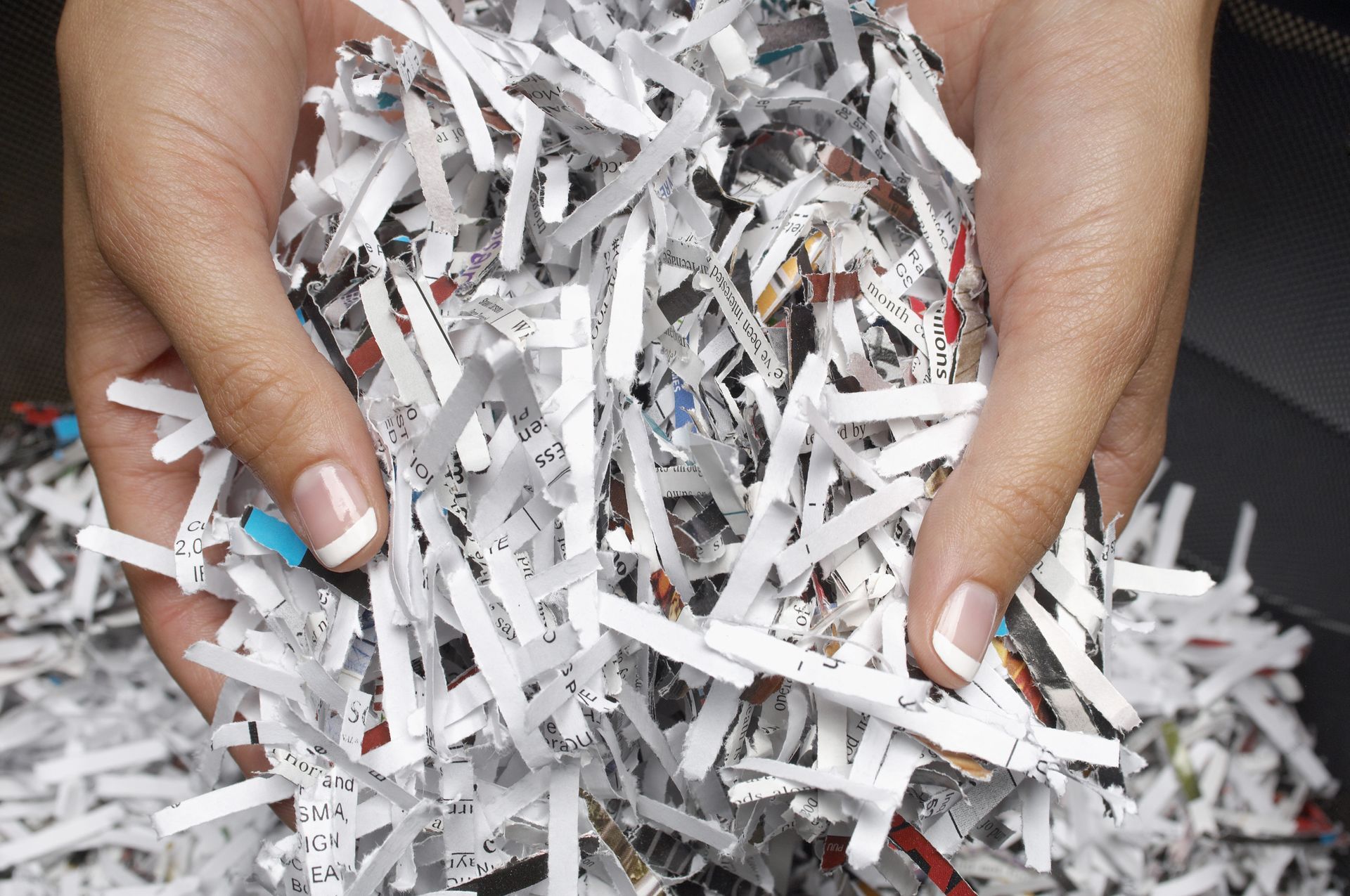
Identity theft remains one of the fastest-growing financial crimes, often originating from stolen discarded paperwork containing Social Security numbers and bank details. According to AAA Confidential Security Corp. (2024), in the United States, there is a new victim of identity fraud every two seconds — a statistic on a troubling upward trajectory — and regularly shredding documents with personal information is among the most direct safeguards against this growing threat. Professional providers mitigate this risk when shredding documents by utilizing industrial cross-cutting or shearing machinery that reduces paper into tiny, unreadable pieces. Unlike standard strip-cut shredders that leave legible strips, these industrial processes for shredding documents guarantee that data cannot be reconstructed by unauthorized parties or criminal syndicates.
6. What Happens to the Shredded Materials After Destruction?
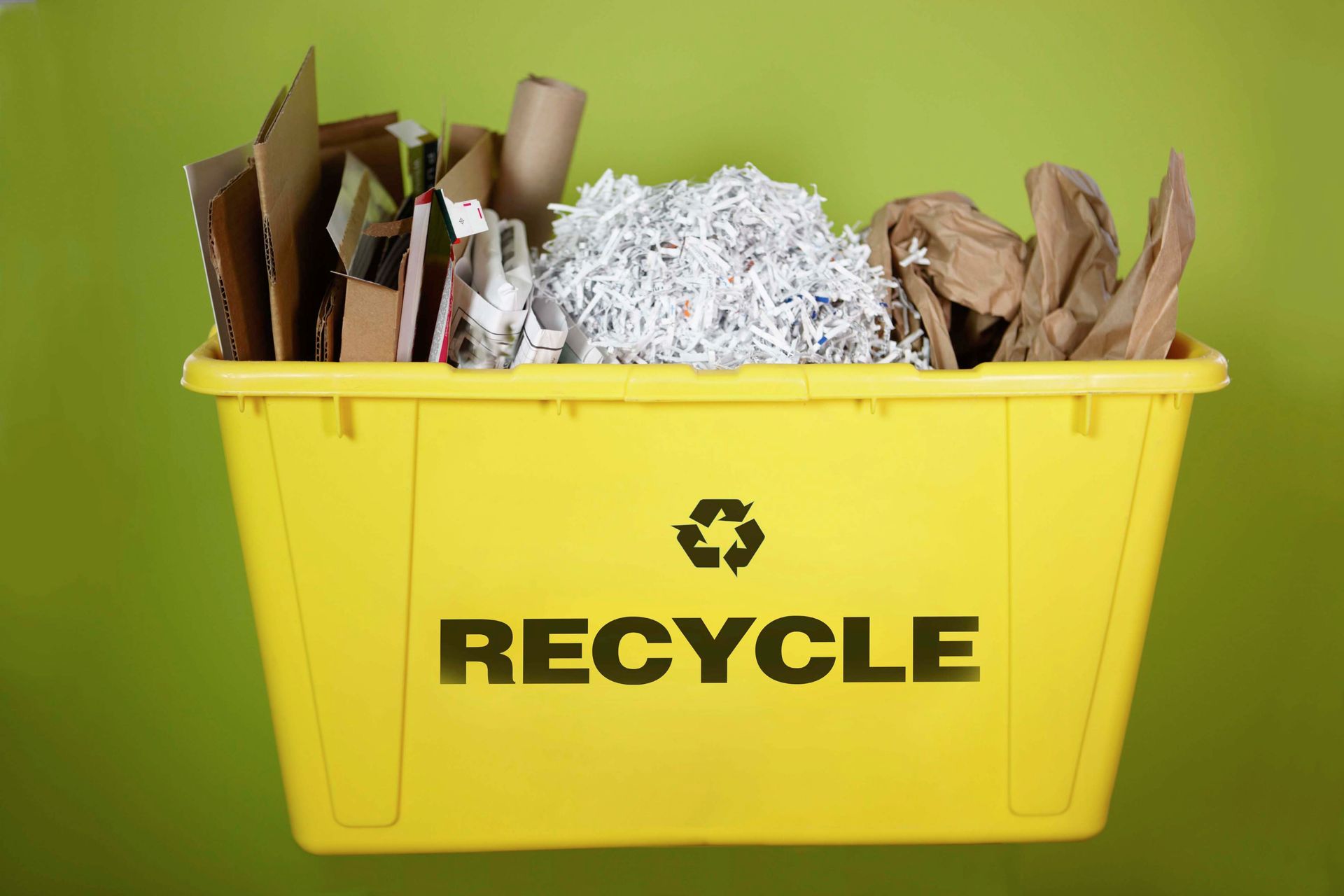
Security and environmental sustainability should go hand in hand, making post-destruction waste management a crucial consideration after shredding documents. Quality destruction experts partner with paper mills to ensure one hundred percent of shredded paper is securely recycled. Once the job of shredding documents is finished, the remaining fragments are baled and processed into new commercial paper products like paper towels and napkins, keeping your data safe while preventing tons of waste from entering local landfills. This eco-friendly recycling pipeline allows your business to meet corporate social responsibility initiatives while upholding the highest level of information security.
7. How Do You Maintain a Strict Chain of Custody?
Chain of custody refers to the unbroken, documented protocol that tracks your confidential records from the moment they leave your hands until destruction is complete. When hiring a firm for shredding documents, you should confirm that collection containers are locked and tamper-resistant, that materials are handled exclusively by trained staff, and that records are processed immediately upon collection to eliminate security gaps where unauthorized individuals could gain access. An ironclad chain of custody ensures complete accountability at every stage of the process, leaving zero opportunity for document diversion or loss during handling.
8. What Are the Details of Your Billing and Scheduling Process?
Working with a document destruction provider should streamline your office operations rather than create extra paperwork. Ask if they feature user-friendly options such as an online payment portal for digital invoicing, transparent pricing based clearly on container volume without hidden trip charges, and flexible scheduling that adjusts easily whenever your volume of paperwork changes. Straightforward billing structures eliminate unexpected budget variances, making it easy for facility managers and administrative teams to keep ongoing privacy compliance costs predictable and manageable.
9. What Is Your Industry Experience and Local Reputation?
Entrusting a third party with your confidential records requires confidence in their long-term track record. Seeking out an established provider with decades of community experience guarantees vetted operational routines, established compliance knowledge, and consistent local coverage, ensuring your ongoing privacy needs are handled with complete professionalism. A well-established vendor brings deep familiarity with local business environments, offering dependable customer support and quick resolution times whenever your organization encounters unique or high-volume document disposal demands.
Selecting the right professional document destruction provider is one of the most effective steps you can take to mitigate risk, maintain regulatory compliance, and protect sensitive consumer or corporate information. By moving past surface-level marketing and asking these ten targeted questions, you gain complete clarity on a vendor's operational standards, security protocols, and overall reliability. A trustworthy shredding partner will seamlessly integrate with your office workflow, provide robust defense against data liabilities, and give you total peace of mind knowing your confidential records are destroyed permanently and sustainably. Contact ALL-SHRED, Inc today to learn more about protecting your documents with our shredding services. We look forward to assisting you and providing peace of mind.






Share On: