Secure Shredding Services in Healthcare: Protecting Patient Data Beyond the Clinic Walls
Maintaining patient confidentiality represents a fundamental pillar of modern medical ethics. Healthcare providers spend massive amounts of energy securing electronic medical records within their digital networks. However, physical documents frequently leave facilities without receiving proper disposal attention, creating massive security vulnerabilities for vulnerable patients outside the clinical environment.
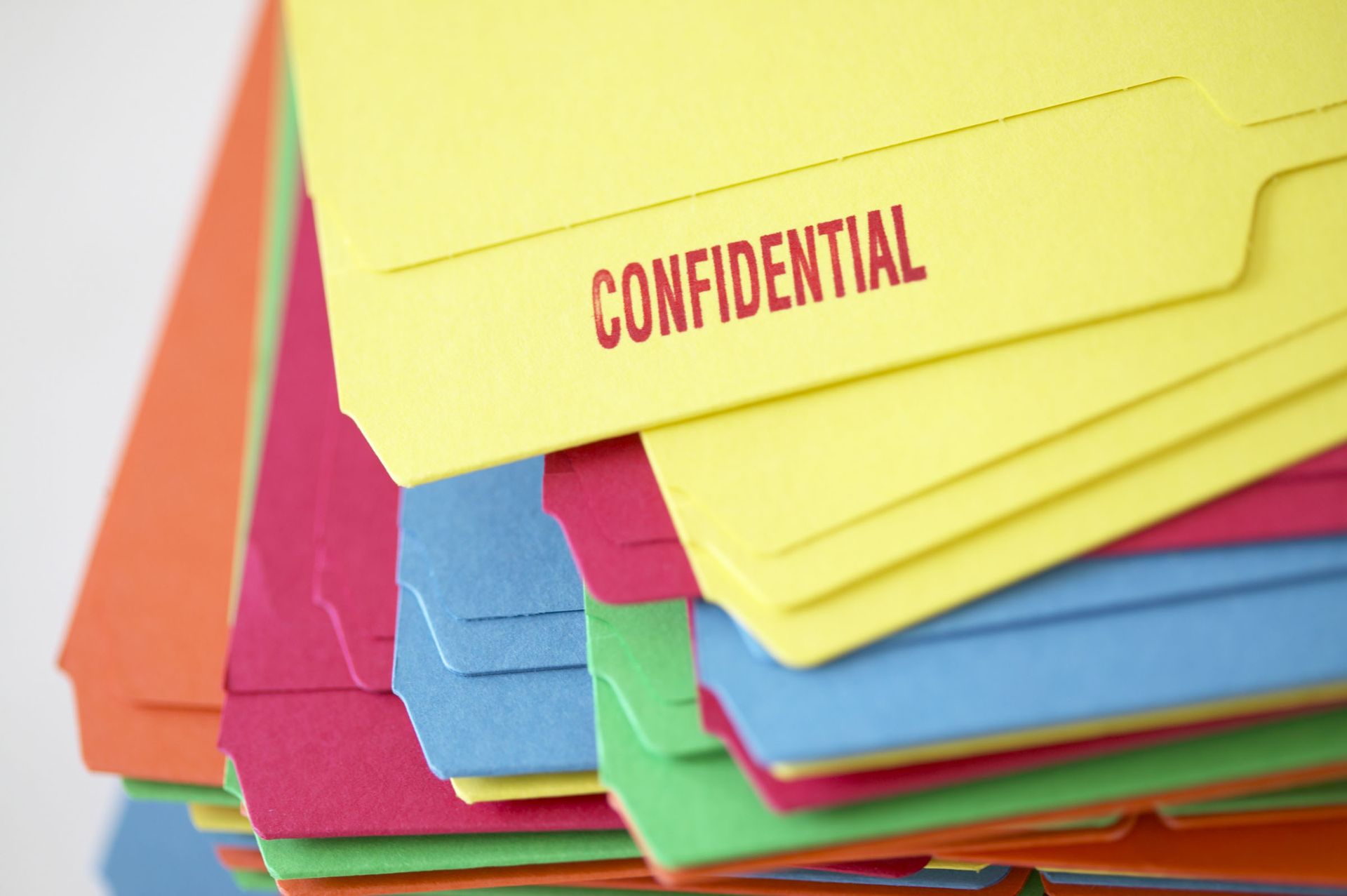
Managing sensitive administrative records requires robust physical destruction policies to prevent catastrophic data breaches. Discarded paperwork contains vulnerable personal data, including identification details, medical histories, and insurance information. Medical institutions must actively cooperate with reputable secure shredding services to ensure that every scrap of sensitive information remains completely illegible.
Protecting data beyond hospital walls requires a comprehensive understanding of physical waste streams. Many medical offices mistakenly treat standard paperwork as ordinary trash, exposing private details to dumpster divers and identity thieves. Implementing specialized destruction protocols safeguards private corporate details while preserving deep community trust in medical institutions.
Failing to dispose of medical documents properly carries severe legal and financial repercussions for modern healthcare entities. Regulatory bodies enforce strict penalties for privacy oversights, meaning loose papers can disrupt hospital operations overnight. Partnering with established secure shredding services keeps medical practices fully compliant with stringent national privacy regulations.
Minimizing Document Vulnerability
Establishing a clear chain of custody ensures that medical charts never remain exposed to unauthorized personnel. Specialized containers placed throughout clinics allow medical staff to drop files securely into locked boxes immediately. This immediate action prevents curious visitors from viewing sensitive private charts sitting on administrative desks.
Transporting patient charts between administrative departments introduces substantial security risks if handled carelessly by employees. Documents left in open recycling bins can blow away or face theft during routine facility cleaning. Utilizing dedicated secure shredding services guarantees that every document remains containerized until total destruction occurs.
Implementing internal handling rules helps hospital personnel maintain continuous data defense protocols across all specialized departments. Staff members receive thorough training regarding which documents require absolute destruction rather than simple disposal. This proactive administrative education fundamentally lowers the likelihood of accidental information leaks inside busy clinical settings.
Evaluating safety hazards stands as a top priority for visiting cleanup crews when files are archived. No document remains unguarded while undergoing transit to disposal zones within the medical complex. This careful handling maintains privacy even before the actual destruction process begins.
Implementing Secure Containers
Placing locked bins throughout medical facilities prevents the unauthorized retrieval of discarded patient documentation. These tamper-proof units hold sensitive paperwork safely until certified destruction personnel arrive to empty them. Only authorized management teams hold the keys needed to open these protective storage boxes.
Integrating these specialized collection bins into daily clinical workflows simplifies compliance for busy nursing personnel. Medical staff can discard sensitive printouts instantly without stepping away from their urgent care duties. Consistent bin placement ensures that data protection remains an effortless part of daily healthcare routines.
Securing these receptacles within high-traffic hospital areas ensures maximum utility without compromising office aesthetics. The durable design prevents physical tampering or forced entry by unauthorized personnel looking for personal gain. Proper placement serves as a constant visual reminder of corporate security obligations.
Deploying these protective boxes helps administrators track the lifecycle of every piece of paper generated by clinical personnel. Working alongside experienced secure shredding services ensures that containers get emptied before they overflow. Regular collection intervals prevent documents from becoming vulnerable to accidental exposure.
Destroying Onsite Records
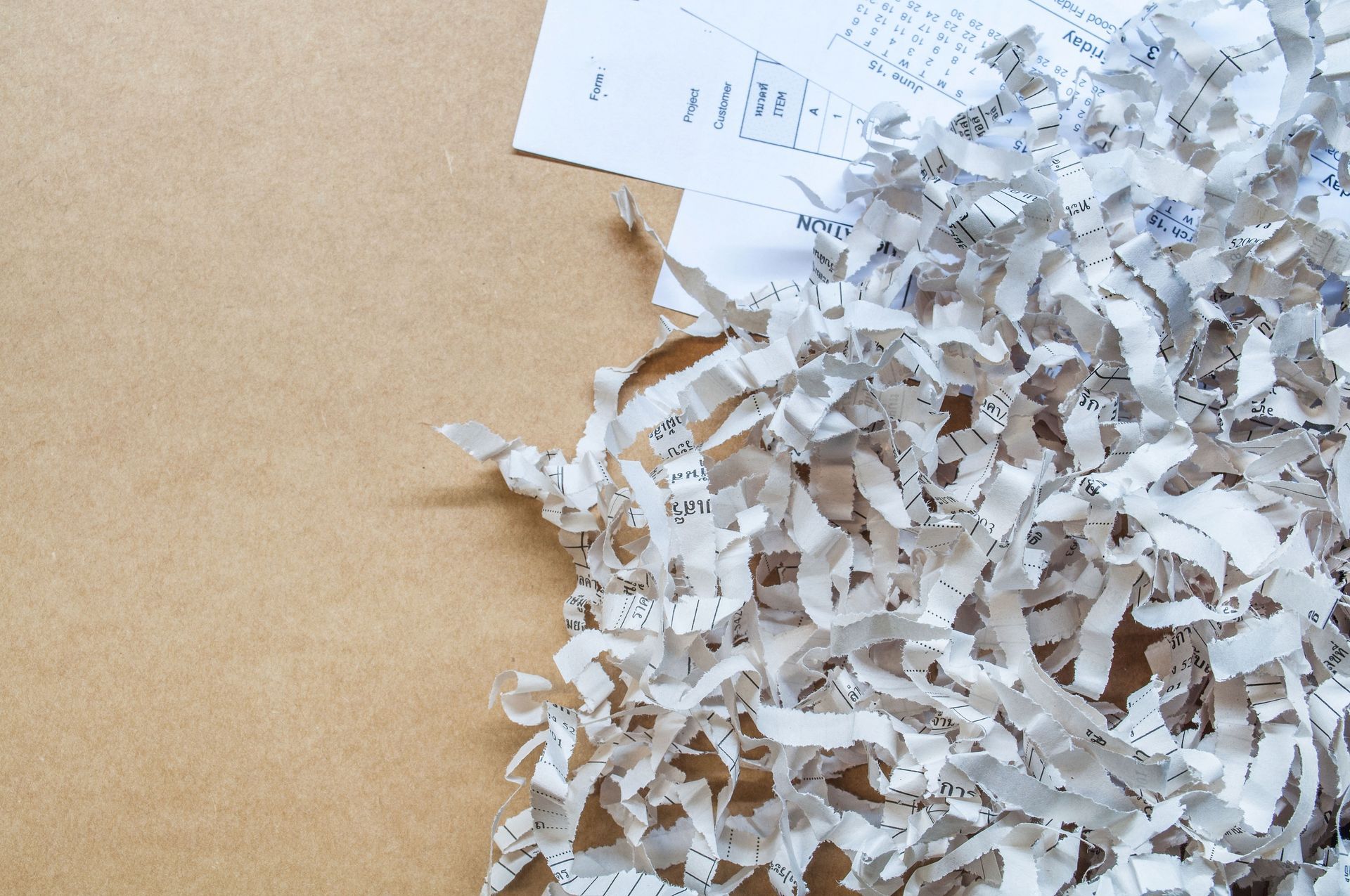
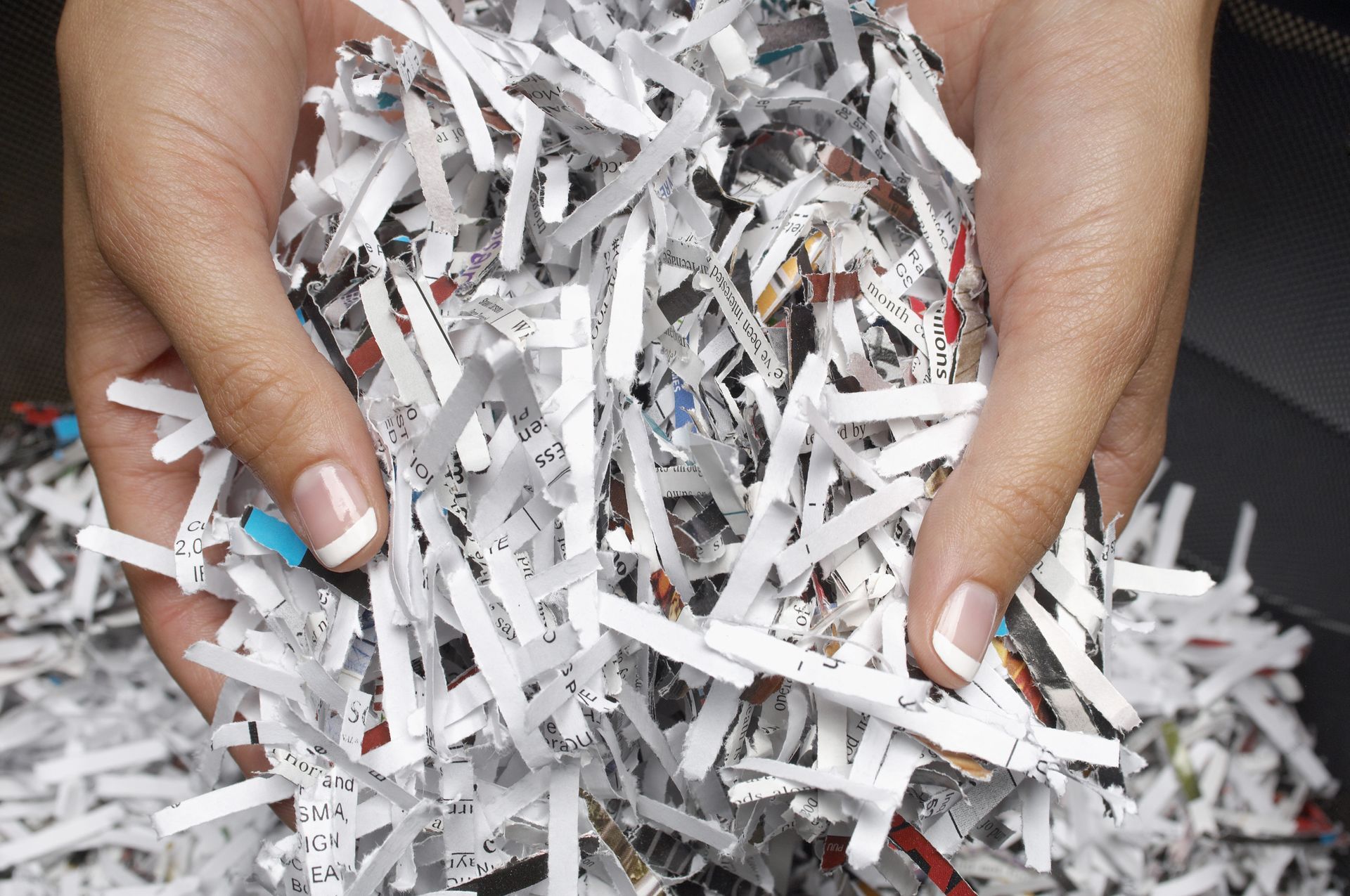
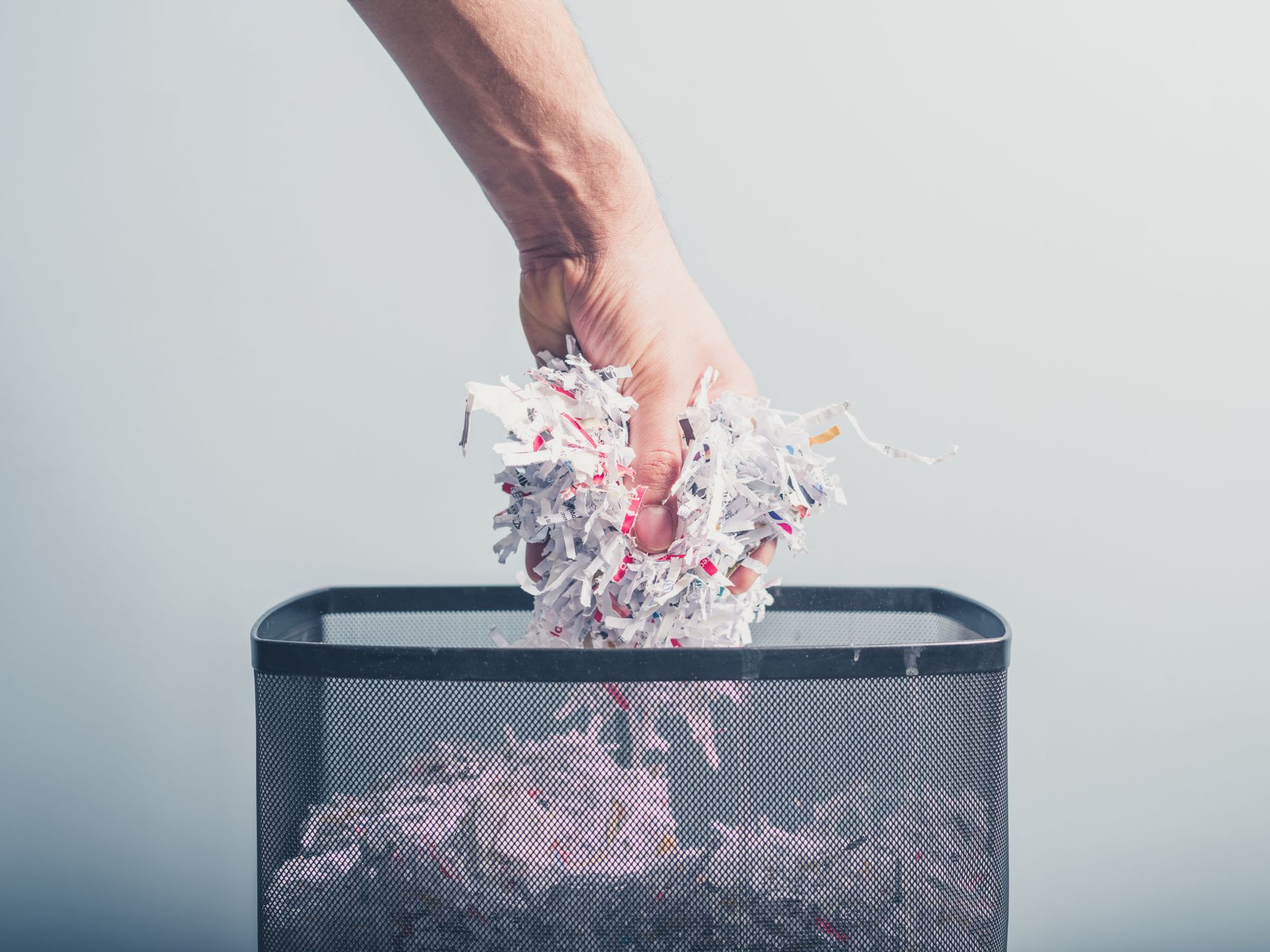
Deploying industrial disposal vehicles to clinical sites allows immediate physical destruction of collected patient files. Medical administrators can witness the entire mechanical pulverization process directly from their facility doorsteps. This visible verification provides ultimate assurance that sensitive patient data cannot be recovered by outside entities.
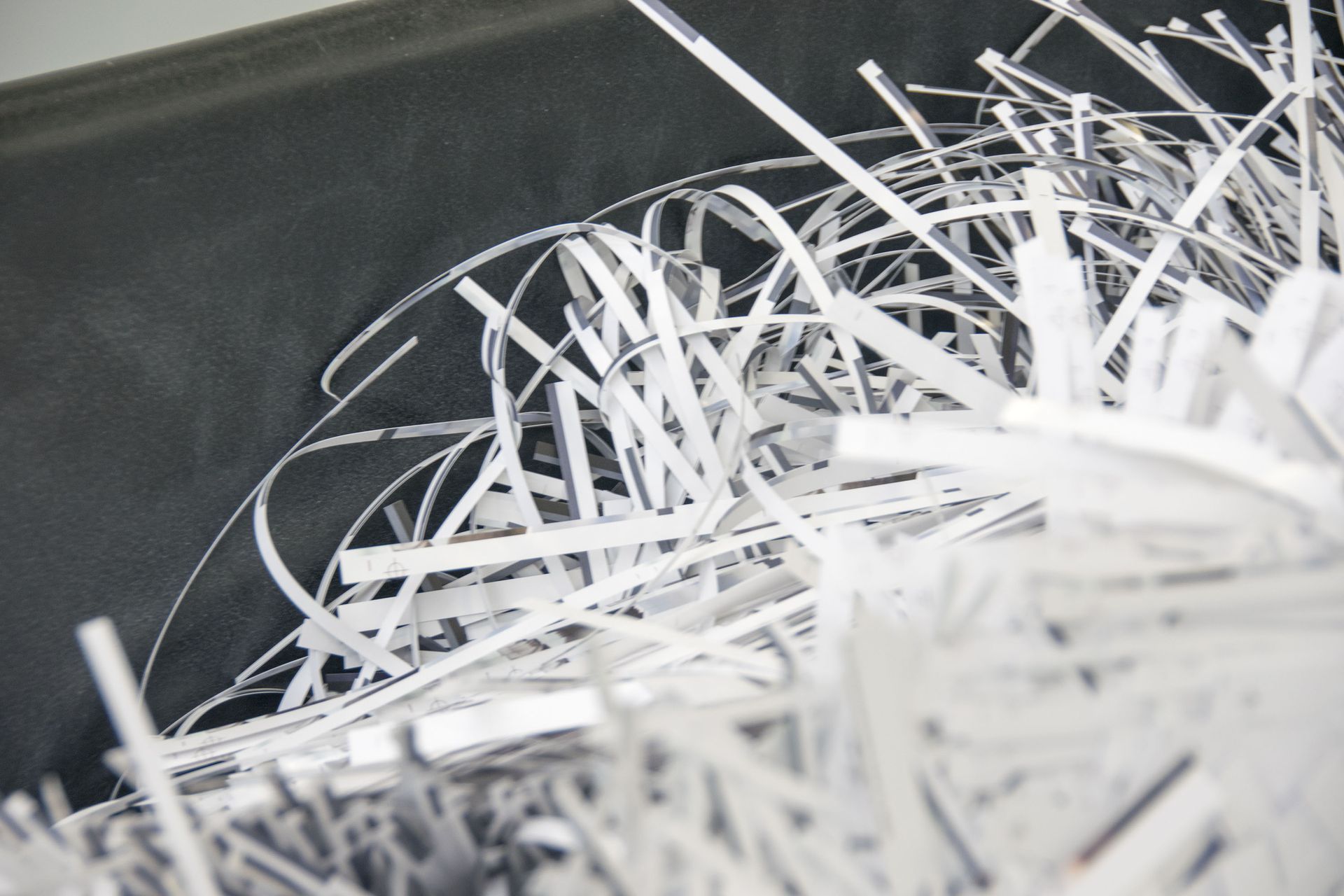
Utilizing mobile industrial machinery guarantees that unshredded documents never travel down public highways where accidents might happen. The raw paper gets reduced to tiny fragments before the disposal vehicle leaves the medical property. Such instant destruction protocols effectively eliminate any opportunities for subsequent data interception.
Choosing immediate fragmentation eliminates the risks associated with storing loose documents for long periods. This swift operational method guarantees that information gets obliterated before any potential data breaches can manifest. Immediate processing remains the most reliable strategy for active healthcare operations.
Enlisting specialized secure shredding services to manage onsite shredding operations reduces the administrative burden on internal clinic personnel. Employees can focus entirely on patient well-being instead of worrying about file destruction logistics. Certified professionals handle the entire process with maximum mechanical precision.
Understanding Environmental Impacts
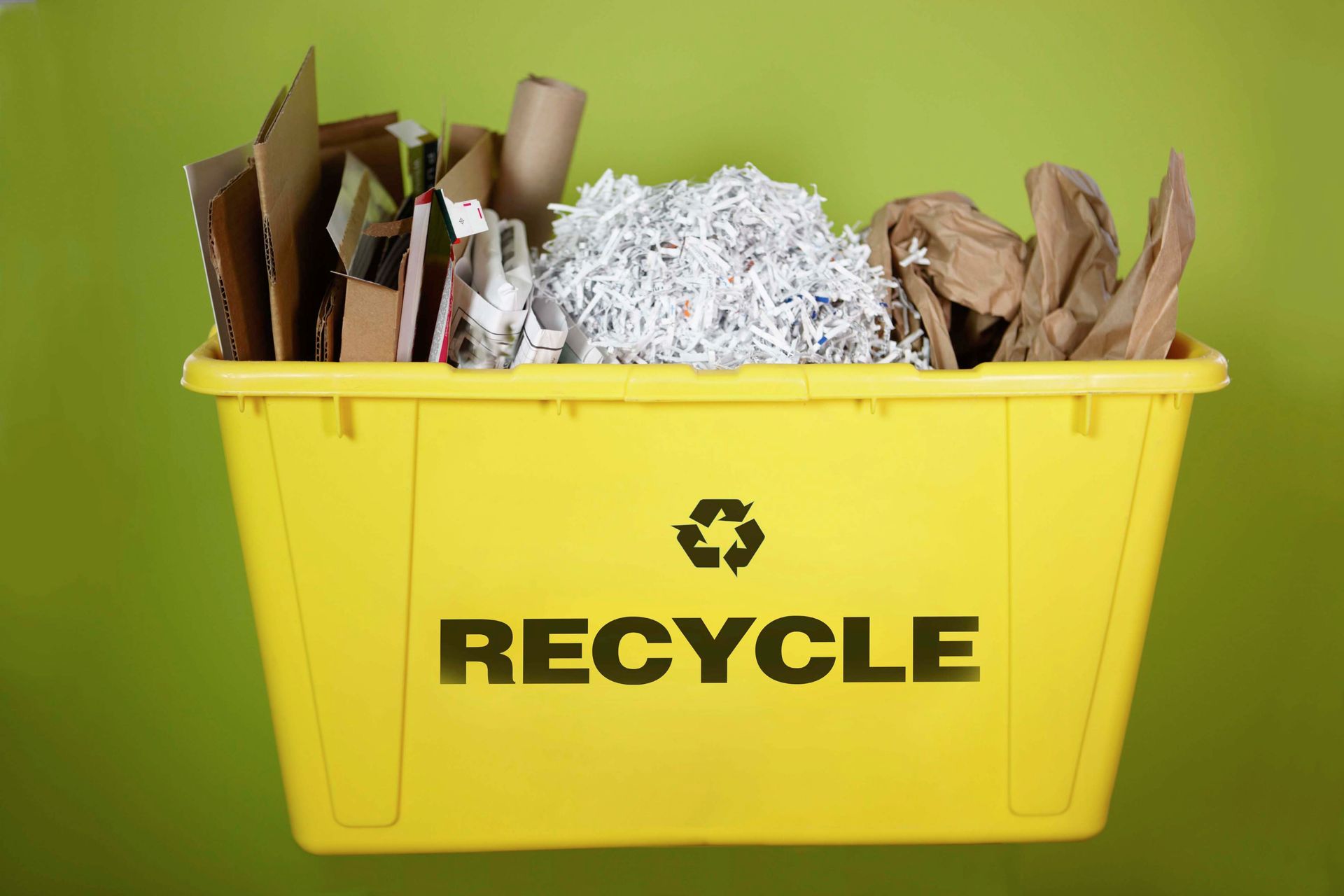
Securing files sustainably helps clinics protect the environment. According to the Environmental Protection Agency, paper products comprise roughly 23% of municipal solid waste, and around 56% of this material enters landfills. Transforming shredded waste into recycled goods preserves critical natural resources while maintaining total confidentiality.
Choosing eco-friendly disposal options demonstrates a strong institutional commitment to public health and global environmental sustainability. Hospitals can achieve their green initiative goals without compromising on strict patient confidentiality requirements. Secure shredding services bridge the gap between rigorous data defense and responsible material recycling practices.
Reducing the volume of waste sent to local garbage facilities aligns perfectly with modern corporate social responsibility metrics. Medical networks consume tremendous volumes of paper supplies during daily operations. Ensuring that all discarded materials return to the manufacturing lifecycle benefits the surrounding community.
Evaluating the ecological benefits of recycling allows healthcare administrations to fulfill their sustainability pledges. Diverting massive quantities of shredded office documents away from waste streams reduces community environmental degradation. Sustainable operations enhance corporate reputation while shielding private information.
Training Medical Personnel
Educating healthcare staff on data destruction methods prevents common operational errors during busy shifts. Workers learn to identify which notes, labels, and charts require specialized mechanical processing. Regular refresher courses ensure that the entire workforce remains highly vigilant against emerging privacy threats.
- Identifying sensitive patient identifiers on medication labels.
- Separating regular office waste from confidential medical charts.
- Reporting overflowing collection bins to facility management immediately.
- Understanding corporate penalties associated with information handling errors.
Developing a unified security culture across clinics empowers employees to take personal responsibility for data protection. When every nurse and administrator prioritizes proper file disposal, corporate compliance becomes an achievable standard. Constant vigilance ensures that patient details remain shielded from public exposure.
Protecting Patient Dignity
Preserving individual privacy outside the clinical examination room fosters deep, long-term trust between patients and providers. People share sensitive personal details with doctors under the assumption of total lifelong confidentiality. Professional secure shredding services help medical organizations honor this sacred trust throughout the document lifecycle.
Defending corporate reputation requires continuous attention to every physical sheet of paper moving through facilities. A single data leak can ruin decades of community goodwill and damage organizational credibility. Investing in reliable, secure shredding services represents a necessary step in comprehensive patient advocacy.
Ensuring total data elimination allows medical centers to focus entirely on delivering exceptional clinical care. Administrative peace of mind stems from knowing that secondary waste management specialists handle physical security flawlessly. Secure document destruction ultimately safeguards the entire medical community from liability and distress.
Alleviating stress associated with data vulnerability allows medical providers to focus entirely on therapeutic excellence. Patients feel secure knowing that their private medical history remains protected throughout the administrative lifecycle. Robust disposal strategies fortify the trust that defines exceptional community care.
When your local healthcare organization requires absolute data protection beyond the facility doors, choosing a dependable corporate destruction partner is paramount. Contact ALL-SHRED, Inc for certified document destruction options that keep your patient files completely confidential and fully compliant.


Share On: