
How Long Should You Keep Personal Documents? And When Its Safe to Shred
Managing paperwork can feel like an endless routine of sorting through mail, filing away statements, and wondering what truly needs to be saved. Many people hold onto paper records longer than necessary out of caution, filling up filing cabinets and closets with outdated materials. Holding onto old paperwork indefinitely creates unnecessary clutter and increases the risk of sensitive details falling into the wrong hands. Understanding proper retention schedules allows you to take control of your records while protecting your personal identity. Knowing precisely when to keep a file and when to clear it out provides clear guidance for maintaining an organized space.
Tax Records and Financial Declarations
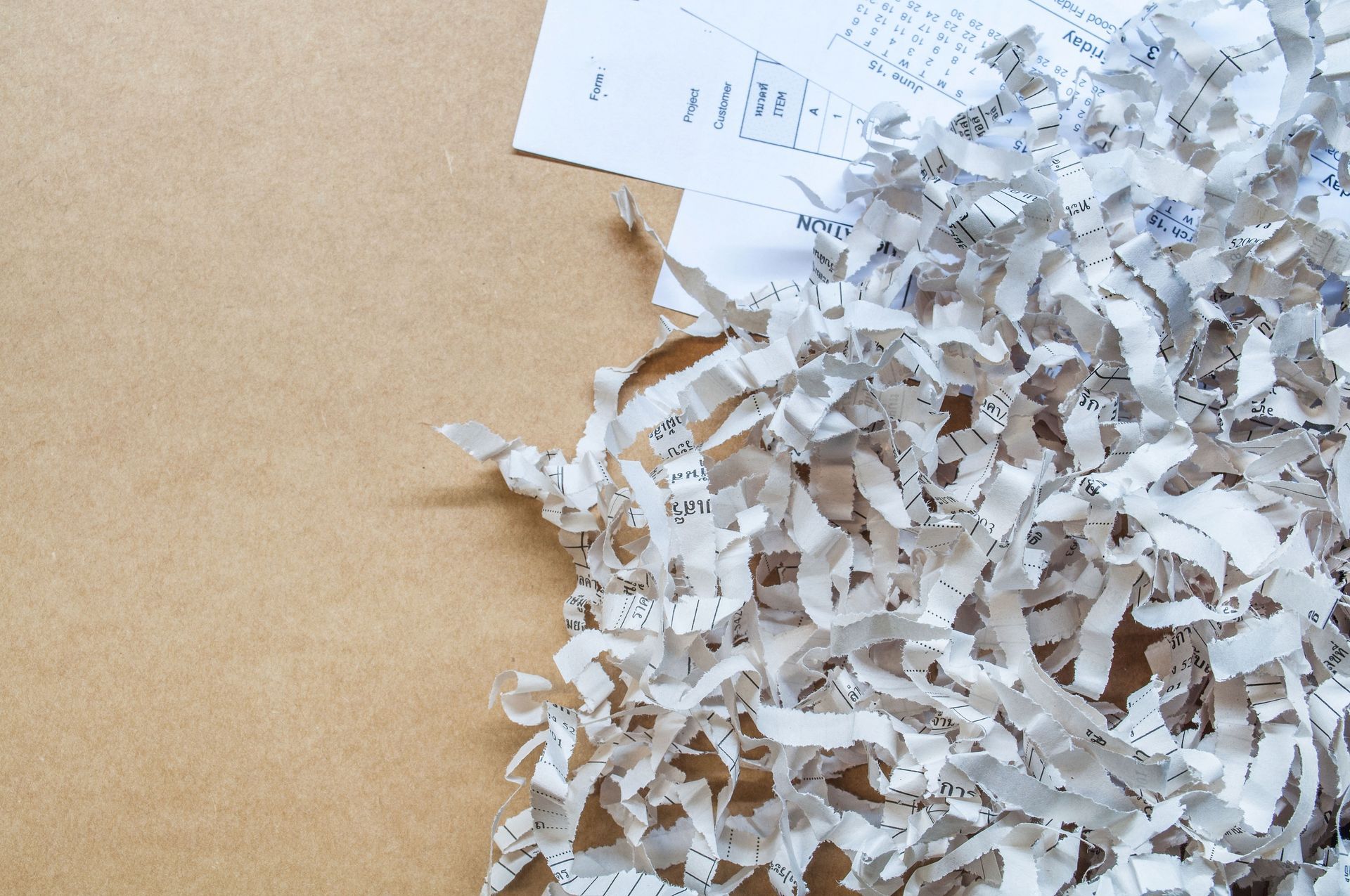
Tax documents require careful attention because regulatory agencies can audit filings several years after submission. Standard guidance suggests holding onto tax returns along with supporting forms, W-2s, and receipts for at least three to seven years depending on the complexity of your filings. Keeping these records accessible ensures you can address any official inquiries or resolve unexpected discrepancies without stress. Once that window passes, holding onto outdated tax filings only serves to clutter your home office. Routine document shredding provides a reliable way to dispose of old tax filings once the required legal retention period expires.
Bank Statements and Monthly Financial Records
Bank statements, canceled checks, and deposit slips generally need to be retained for one year. These records help verify income, track spending habits, and ensure accurate balancing of accounts throughout the fiscal year. After reviewing your annual summary and confirming that your tax filings are complete, month-to-month paper statements become redundant. Storing years of routine banking activity in your home leaves sensitive financial numbers vulnerable to theft or physical damage. Disposing of these items routinely helps keep your filing space manageable and prevents unnecessary exposure of account details.
Pay Stubs and Income Verification
Pay stubs serve as important proof of earnings for loan applications, lease agreements, and tax preparation. You should keep your pay stubs until you receive your annual W-2 or end-of-year tax statement to verify that all figures align correctly. Once you confirm the total earnings match your tax form, individual monthly or biweekly pay stubs no longer serve a purpose. According to StopWaste, an average of 17% of everything printed is considered waste, making the regular elimination of unnecessary paperwork a practical choice. Clearing out duplicate income slips keeps your financial files lean and focused only on active items.
Credit Card Statements and Payment Receipts
Credit card receipts and monthly account statements usually only need to be saved until your payment clears and you verify that the charges are accurate. If a receipt is connected to a business expense, tax deduction, or product warranty, store it alongside your tax or purchase records instead of keeping it in your daily pile. Categorizing these receipts by year or topic makes them much easier to locate during tax preparation. Furthermore, switching to electronic statements where available helps reduce physical paper accumulating on your desk. Holding onto mountains of monthly credit card notices exposes your card numbers, buying habits, and personal details to unnecessary risks. Scheduling periodic document shredding for old payment records eliminates clutter and keeps your active files organized.
Utility Bills and Routine Receipts
Utility bills, household receipts, and daily transaction records lose their usefulness almost as soon as they are paid and reconciled. Unless you plan to claim specific utility payments as home office tax deductions, there is no reason to store these records long-term. Holding onto years of power, water, or phone bills simply adds bulk to your household files without providing any future benefit. Passing these items through a systematic destruction process as soon as they clear your monthly checkbook keeps your living areas neat and free of unnecessary paper build-up.
Medical Bills and Health Records
Medical records, health insurance explanation of benefits statements, and paid medical receipts should generally be retained for one to three years. Keeping these items helps resolve insurance claims, track deductible thresholds, and verify medical history details when switching healthcare providers. Storing organized digital backups of major procedure summaries can also prove helpful for long-term health tracking. Additionally, keeping clear payment receipts prevents unexpected billing disputes with hospital networks or insurance companies down the road. Once insurance disputes are resolved and payment confirmations are logged, storing stacks of medical paperwork is no longer required. Because health documents contain sensitive personal identifiers and medical histories, destroying them securely is an essential step in maintaining complete personal privacy.
Vehicle Records and Ownership Titles
Vehicle titles, registration papers, and maintenance logs serve a clear purpose while you own a car, truck, or motorcycle. You should hold onto title documents and registration forms until the vehicle is sold, transferred, or scrapped, while keeping major repair receipts to prove proper upkeep to future buyers. Once the vehicle passes to a new owner, former registration cards and old bill of sale copies become obsolete. Discarding these old automotive records prevents outdated registration information from accumulating in your glove compartment or home filing drawers.
Property and Home Improvement Records
Real estate documents, lease agreements, mortgage records, and home improvement receipts require a longer retention period than everyday bills. Homeowners should retain property records and major repair receipts for as long as they own the building, plus an additional seven years after the sale to calculate capital gains taxes accurately. Renters should keep lease agreements and deposit receipts until their tenancy ends and all security deposits are fully returned. Maintaining digital copies of structural permits and contractor invoices can also streamline future renovations or insurance claims. Keeping these records organized prevents costly oversights during major property transactions or tax filings. When property transactions are permanently closed, old records can be cleared out through document shredding to make room for current household files.
Permanent Identity and Vital Records
Certain documents must never be destroyed and should remain in your possession for your entire lifetime. Vital records such as birth certificates, marriage licenses, adoption papers, passports, Social Security cards, and military discharge papers must be kept in a secure, fireproof location. Wills, power of attorney forms, and estate plans should also be retained indefinitely, updating them only when life changes occur. Professional document shredding should never be used on these irreplaceable personal records. Recognizing the difference between permanent vital files and temporary financial notices ensures you protect essential identity items while comfortably getting rid of temporary paperwork.
Systematic Destruction Routine
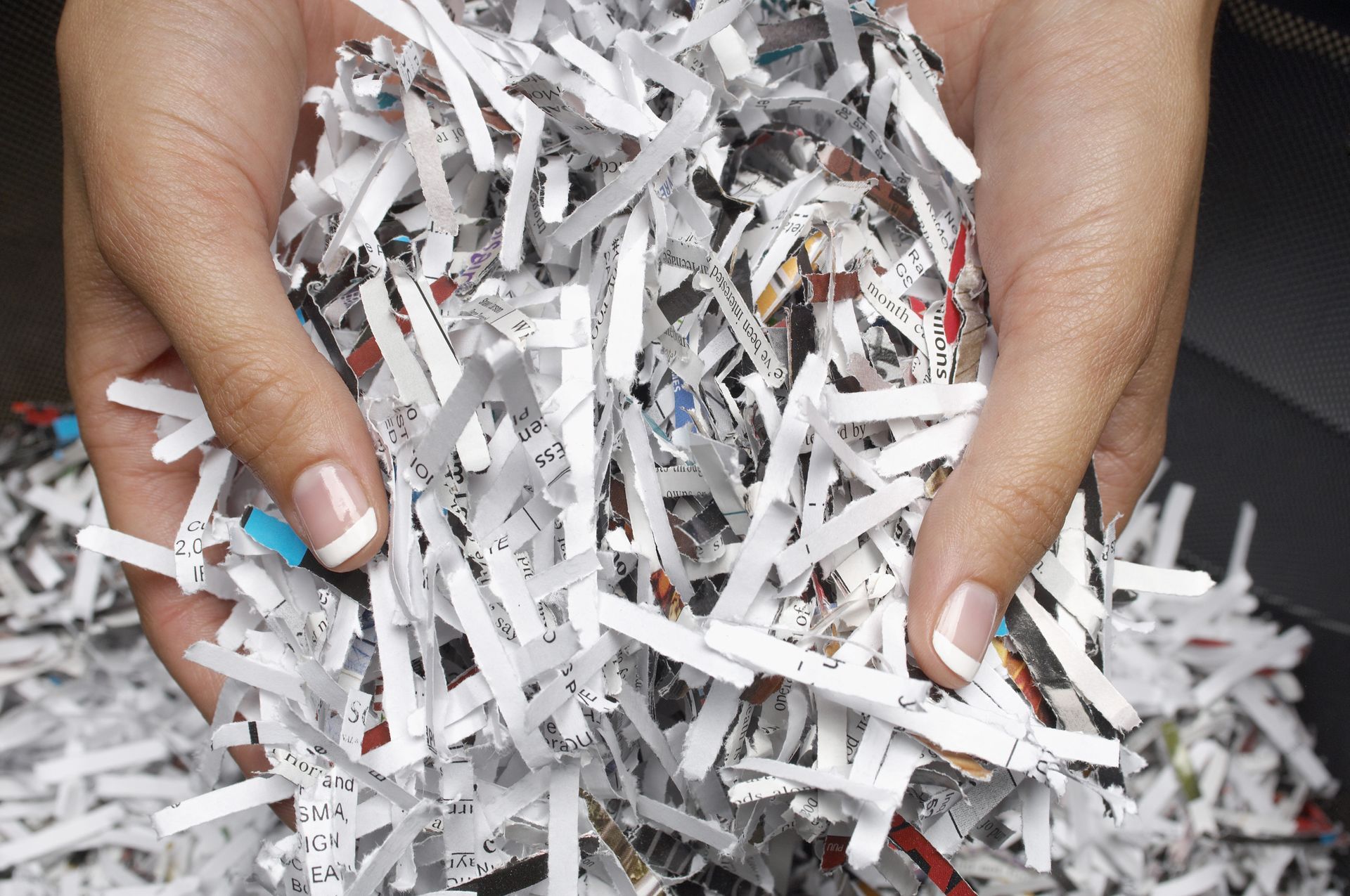
Creating a structured process for sorting and discarding paperwork prevents paper buildup from becoming overwhelming. Establishing a seasonal schedule to review filing cabinets ensures outdated bills, expired policies, and old statements are removed promptly. Rather than allowing sensitive pages to pile up in boxes, implementing a routine method of destruction guarantees that your personal information remains protected. Utilizing document shredding on a predictable basis transforms a daunting cleanup task into a simple, manageable part of your home organization routine.
Maintaining a clean, organized home while safeguarding your sensitive information requires a balanced approach to record retention. By knowing how long to store financial statements, medical bills, and household receipts, you can confidently clear away clutter without compromising your security. When you are ready to dispose of outdated files, volume disposal services offer a simple, secure answer for destroying large quantities of paperwork. Contact ALL-SHRED, Inc to discuss secure destruction options that keep your personal information completely safe.


Share On: