
Why DIY Document Shredding Risks Corporate Compliance
In today's fast-paced corporate environment, managing sensitive information securely is a core operational requirement for growing organizations. Many companies attempt to manage document disposal internally using in-house equipment to save on operational expenses while maintaining immediate oversight over records. However, relying on do-it-yourself methods often creates significant compliance vulnerabilities and exposes organizational data to unnecessary risks. Adhering to strict corporate data handling standards requires a structured approach to secure disposal that internal methods rarely provide. Understanding the operational and legal risks of internal document destruction helps businesses make better decisions regarding data protection.
Every business processes documents containing confidential employee records, financial details, and proprietary client data. When internal procedures fail to destroy these materials properly, organizations face heightened risks of regulatory non-compliance, financial penalties, and compromised data security. Professional document shredding ensures that confidential records are completely destroyed, preventing unauthorized access and maintaining total regulatory compliance. Implementing professional disposal protocols is essential for safeguarding organizational integrity and fulfilling modern legal obligations effectively.
Understanding Document Shredding Compliance Risks
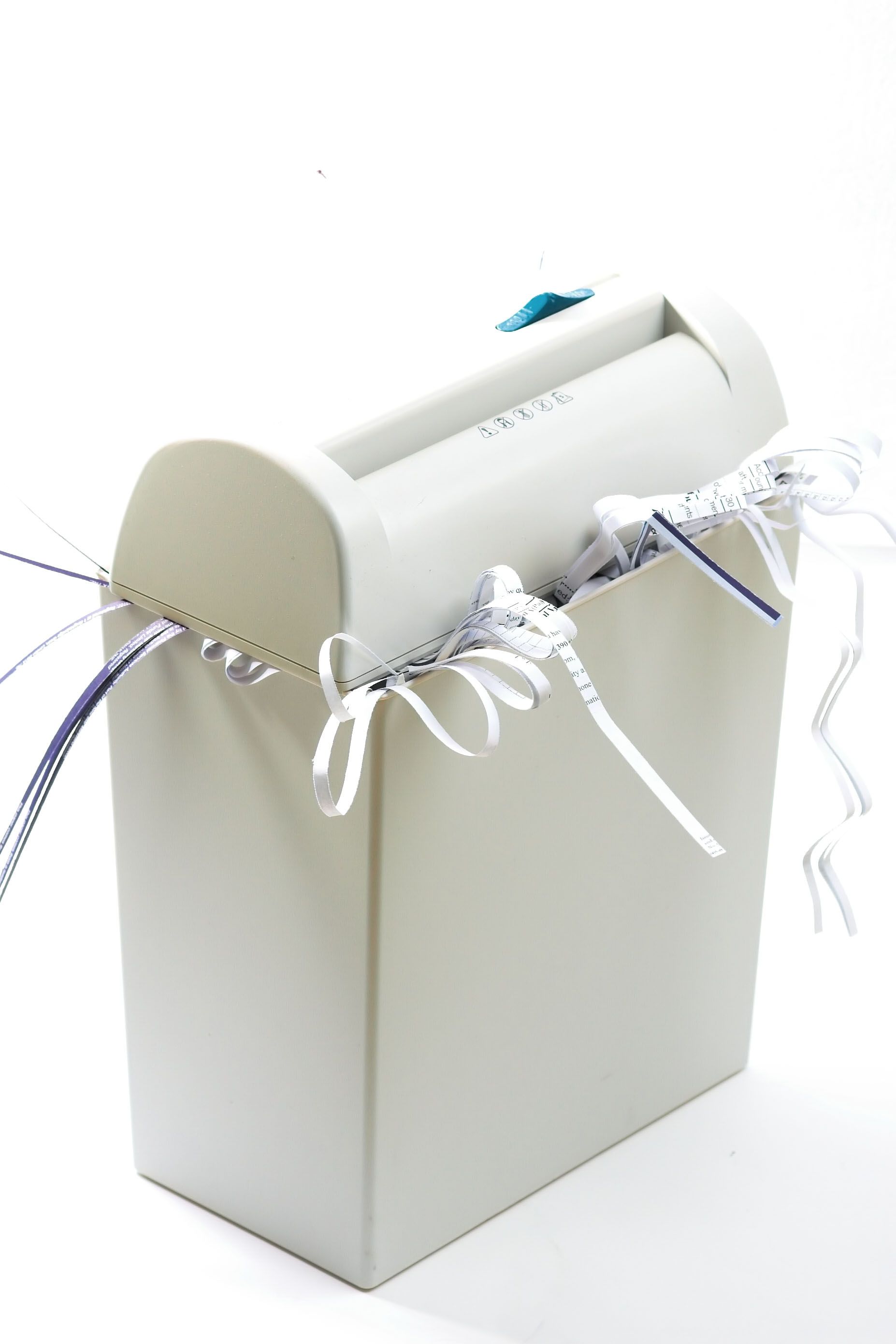
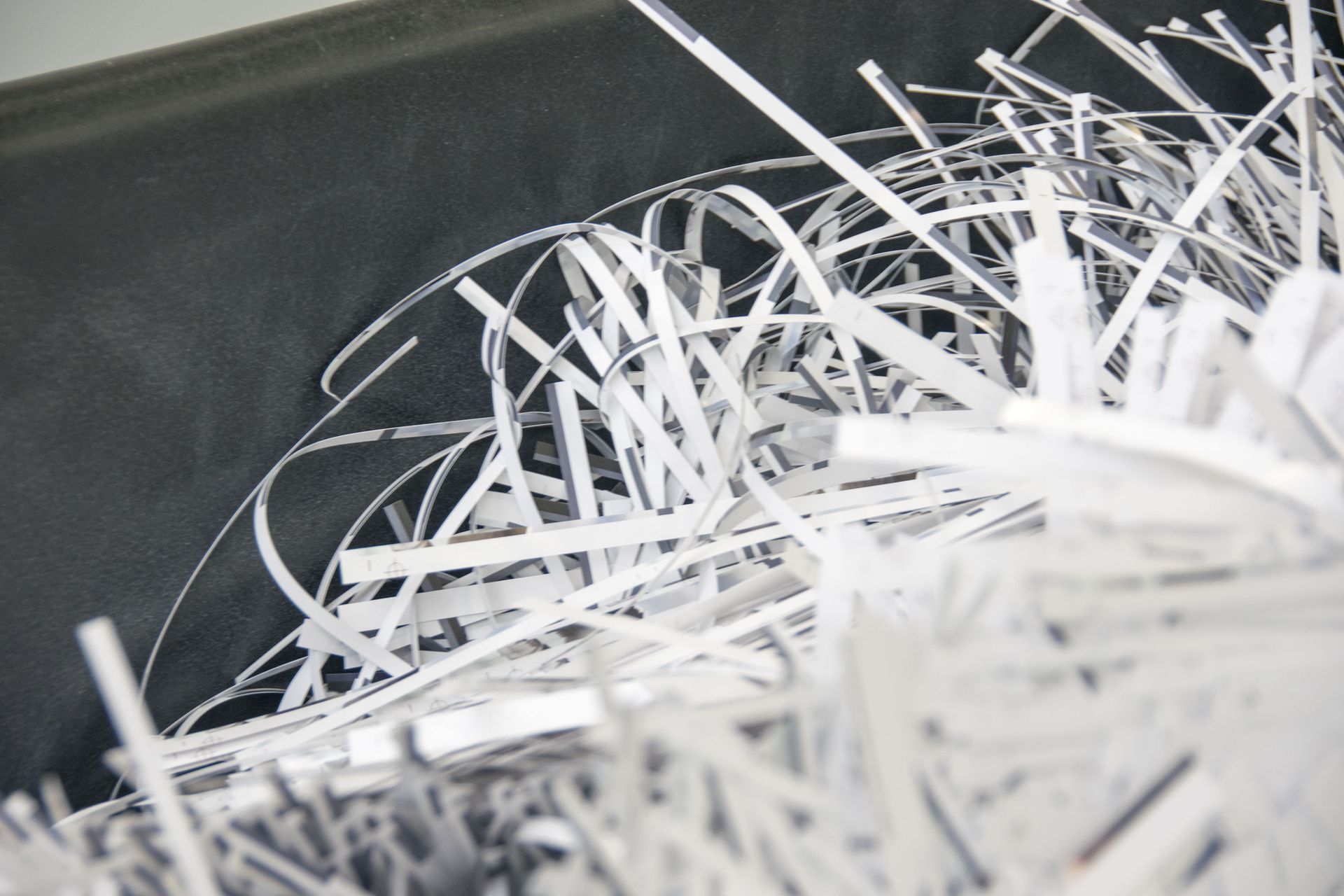
Many organizations begin handling document destruction internally under the assumption that commercial office shredders provide adequate data protection. However, standard office equipment typically lacks the advanced security capabilities needed to ensure total destruction. Basic office shredders often leave large paper strips intact, which can be reassembled with minimal effort. This technical limitation directly undermines corporate compliance mandates that demand irreversible document destruction.
Furthermore, internal document destruction processes often lack formal tracking procedures and certified proof of destruction. Without detailed documentation detailing when and how records were destroyed, organizations face severe vulnerabilities during regulatory compliance audits. Implementing standardized document shredding procedures eliminates these documentation gaps and guarantees that every destroyed record complies fully with federal and state privacy statutes.
Regulatory Standards for Confidential Material Destruction
Strict privacy regulations enforce precise protocols for handling and destroying confidential business records. Regulatory frameworks like HIPAA and state-level privacy statutes require organizations to maintain strict oversight over data throughout its entire lifecycle. Non-compliance can result in substantial financial penalties, legal liabilities, and lasting operational disruption for non-compliant businesses.
Ensuring compliance requires adherence to high-level destruction standards that standard office equipment simply cannot achieve. According to G2 Learning Hub, physical or intellectual property theft causes roughly 20% of identity fraud occurrences, emphasizing the critical necessity for strict physical paper disposal protocols. Relying on verified document shredding services helps organizations mitigate these vulnerabilities and maintain seamless compliance across all operational departments.
Data Security Limits of Office Equipment
Standard office shredding machines present significant operational challenges when handling large volumes of paperwork. These machines are prone to overheating, paper jams, and frequent mechanical failures, causing inefficiency and unnecessary maintenance costs. When equipment fails, confidential documents often sit unsecured in office bins, creating prime opportunities for internal data breaches.
In contrast, commercial document shredding systems utilize high-capacity cross-cut and micro-cut technologies designed to render paper completely unrecoverable. Professional systems process massive volumes of paper quickly and securely, eliminating operational bottlenecks. Transitioning away from office equipment ensures that sensitive materials are handled without security gaps or equipment delays.
Internal Overhead and Productivity Loss
Handling document destruction in-house places a continuous burden on internal staff, diverting valuable time away from revenue-generating business activities. Employees must spend hours manually removing staples, paperclips, and bindings before feeding small stacks of paper into basic shredders. This administrative overhead significantly lowers workplace productivity and increases overall labor costs over time.
Outsourcing your document shredding requirements eliminates these labor-intensive tasks entirely. Staff members simply place confidential files directly into secure, locked collection bins located throughout the facility. Scheduled pickups ensure seamless document destruction without interrupting daily workflow, maximizing overall operational efficiency while enhancing security.
Managing Employee Training and Human Error
Human error remains one of the largest security threats within internal document management workflows. Without rigorous, continuous security protocols, well-meaning employees can misplace sensitive paperwork, mix confidential files with standard trash, or improperly operate shredding machinery. Relying on staff members who lack formal security training inevitably introduces operational vulnerabilities into your document management pipeline.
Implementing clear corporate destruction policies backed by professional document shredding providers minimizes the opportunity for human error. Standardized collection systems ensure employees simply drop sensitive papers into dedicated, tamper-proof consoles. By standardizing these daily disposal habits, businesses cultivate a secure corporate environment and ensure consistent compliance without depending on complex internal procedures.
Risk Management and Liability Prevention
Failing to protect client and corporate data carries massive legal risks that extend beyond regulatory fines. A single data breach resulting from improper disposal can trigger costly class-action lawsuits, client litigation, and severe damage to commercial reputation. Taking proactive steps to eliminate these vulnerabilities is a fundamental responsibility for corporate leadership.
Engaging professional document shredding services provides robust risk mitigation and liability protection for modern enterprises. Dedicated service providers maintain comprehensive insurance, rigorous staff vetting, and adherence to strict industry certifications. Establishing these defensive protocols ensures your enterprise remains fully protected against legal claims while maintaining complete operational integrity.
Environmental Benefits of Commercial Shredding
In-house paper disposal often leads to inefficient waste management, as shredded office paper is rarely sorted properly for commercial recycling. Standard shredded paper consists of short fibers that local municipal recycling facilities often reject, leading to increased landfill waste. This approach runs counter to corporate sustainability initiatives and environmental responsibility goals.
Partnering with a certified document shredding provider guarantees that all destroyed paper is baled and sent directly to paper mills for recycling. Professional recycling transforms shredded materials into new paper products, supporting a sustainable circular economy. Secure document destruction thus accomplishes two vital business goals simultaneously: robust data protection and responsible environmental stewardship.
Establishing a Complete Chain of Custody
Maintaining security during document handling requires an unbroken chain of custody from the moment a record is discarded until its final destruction. Internal shredding practices rarely offer verifiable monitoring, leaving sensitive files unattended in temporary bins or recycling containers. This lack of oversight significantly increases the likelihood of internal theft or accidental disclosure.
Professional document shredding establishes a rigid chain of custody through locked containers, secure transport, and continuous supervision. Service technicians follow strict security protocols at every stage, providing an auditable trail for every document destroyed. A formal Certificate of Destruction is issued following each service, giving businesses verifiable legal proof of compliance.
Long-Term Financial Advantages of Professional Shredding
While purchasing basic shredding machines may seem cost-effective initially, hidden expenses accumulate rapidly. Costs associated with equipment repairs, employee labor, power consumption, and potential regulatory fines quickly surpass the cost of professional services. Investing in dedicated professional document destruction provides predictable, transparent budgeting without hidden maintenance liabilities.
Beyond immediate cost management, professional services protect businesses from catastrophic financial losses linked to data breaches. The cost of a single security incident easily dwarfs years of professional service fees. Streamlining your document shredding strategy protects financial assets while reinforcing customer trust and long-term business stability.
Safeguarding corporate data requires reliable, compliant, and efficient document destruction protocols that eliminate internal security risks. Establishing formal destroyed-material workflows mitigates regulatory penalties, preserves client confidentiality, and guarantees complete peace of mind across every department. Businesses across the region can secure their confidential records and maintain full regulatory compliance by partnering with a quality shredding partner. Reach out to ALL-SHRED, Inc today.





Share On: